
Introduction
Timing your trip to Morocco is not just about weather—it’s about aligning your itinerary with the country’s diverse geography. Coastal cities, imperial medinas, mountain regions, and desert landscapes each follow different seasonal patterns. Choosing the right period can significantly shape your experience. This guide breaks down the best time to visit Morocco by season and by travel style. Whether you are planning a cultural itinerary, a desert journey, or a coastal escape, understanding these variations will help you travel with intention and avoid common planning mistakes.
Understanding Morocco’s Climate by Region
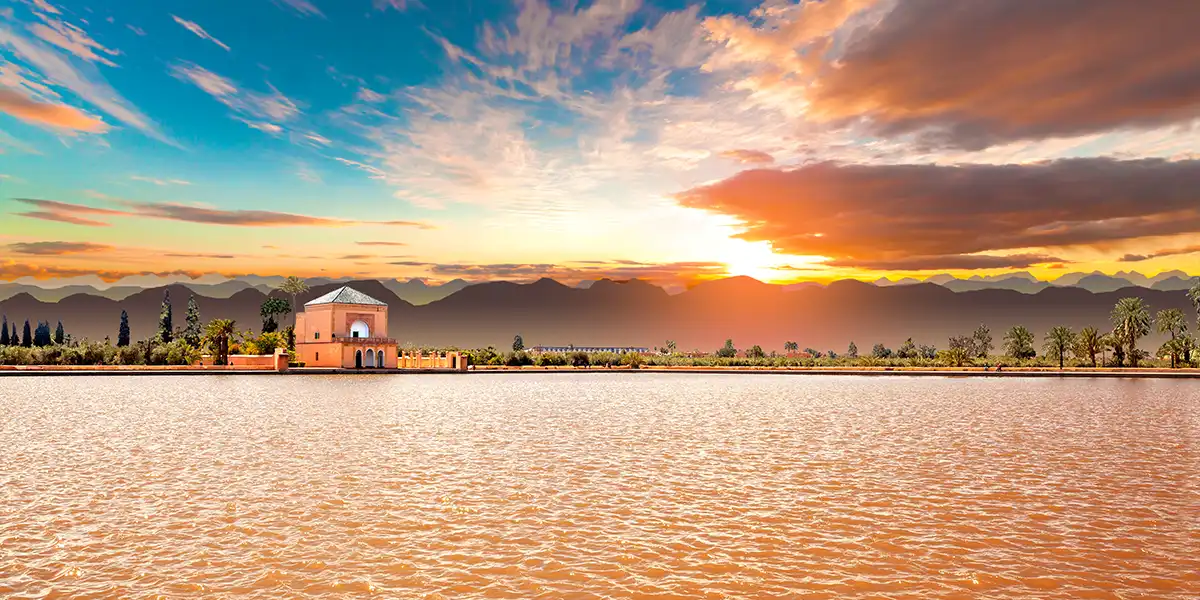
Morocco’s climate is highly regional. The Atlantic coast, including cities like Casablanca and Essaouira, benefits from moderate temperatures year-round. Inland cities such as Marrakesh experience hotter summers and cooler winters, while mountainous regions in the Atlas can be significantly colder. The Sahara Desert follows its own pattern, with extreme heat in summer and surprisingly cold nights in winter. These variations mean that the “best time” depends largely on your route and priorities rather than a single universal answer. For a well-balanced trip, aligning your itinerary with regional conditions is essential, especially if you plan to combine cities, mountains, and desert experiences.
Spring (March to May): The Best Overall Season
Spring is widely considered the best time to visit Morocco. Temperatures are comfortable across most regions, making it ideal for multi-destination itineraries. Cities like Marrakesh and Fez are warm but not overwhelming, while the Atlas Mountains are accessible and scenic.
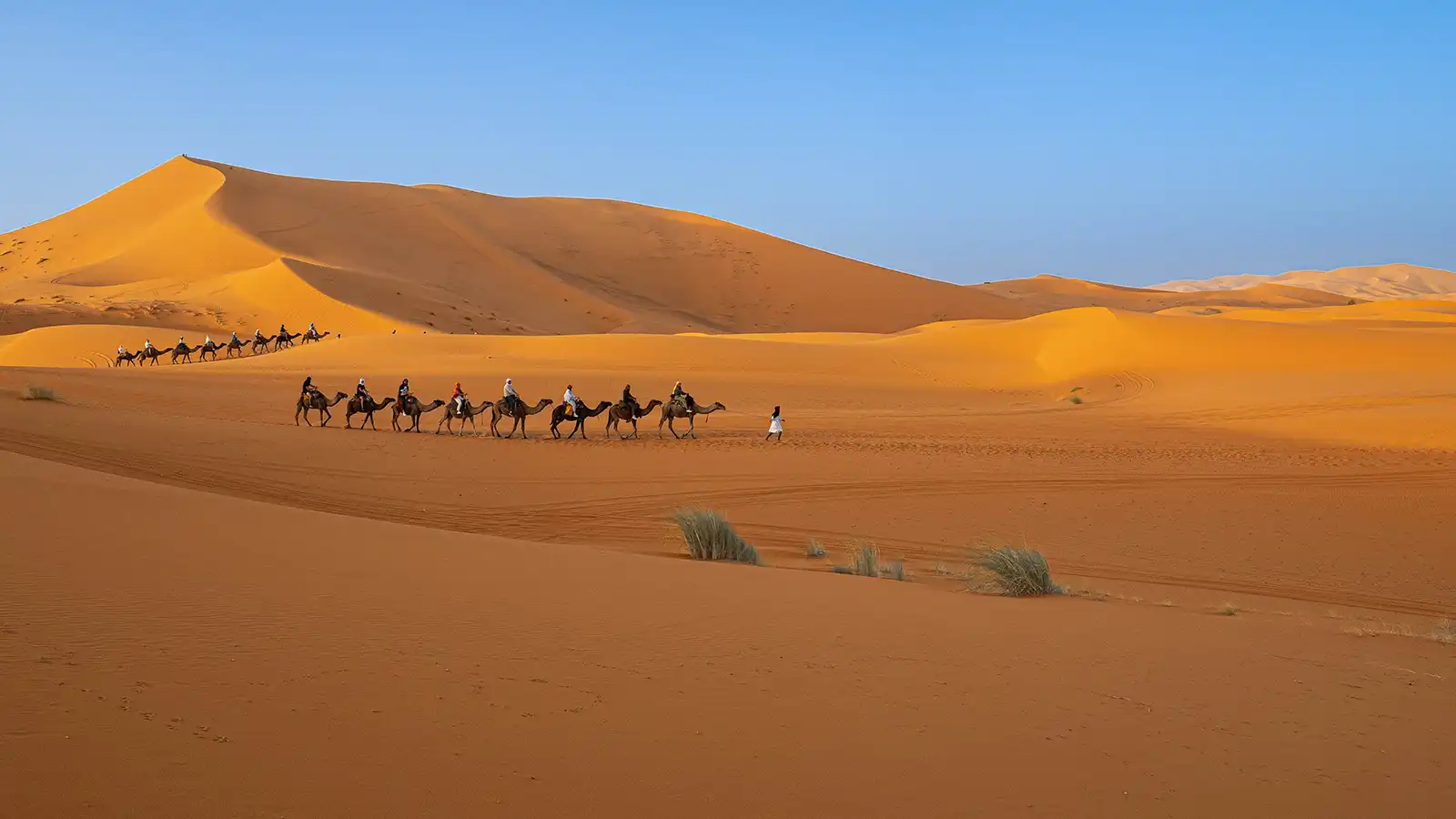
This is also one of the best times for desert trips. The weather allows for enjoyable camel trekking and overnight stays without extreme heat or cold.
Because of these conditions, spring is a popular season, so booking accommodations in advance is recommended.

Summer (June to August): Coastal and Mountain Focus
Summer in Morocco can be intense, particularly in inland cities like Marrakesh where temperatures often rise significantly. However, this does not mean it’s a bad time to visit—it simply requires a different travel strategy. The Atlantic coast becomes the ideal destination during this period. Cities like Essaouira benefit from ocean breezes, offering a cooler and more relaxed atmosphere. Mountain regions also provide a welcome escape from the heat.
Autumn (September to November): Ideal for Desert Routes
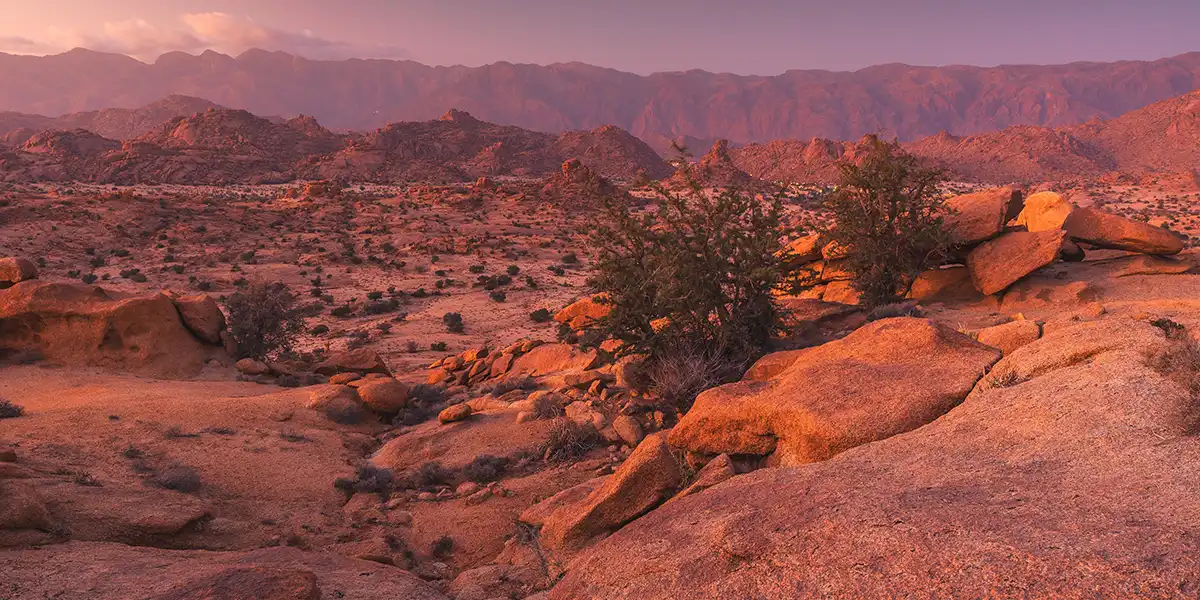
Autumn is another excellent time to visit Morocco, especially for those planning desert-focused itineraries. Temperatures begin to drop after summer, making travel through the Sahara more comfortable.
This season is particularly well-suited for 10 to 14-day itineraries that combine Marrakesh, the desert, and Fez.
Compared to spring, autumn can feel slightly less crowded while maintaining favorable conditions across most regions.
Winter (December to February): Cultural Travel and Snow in the Atlas
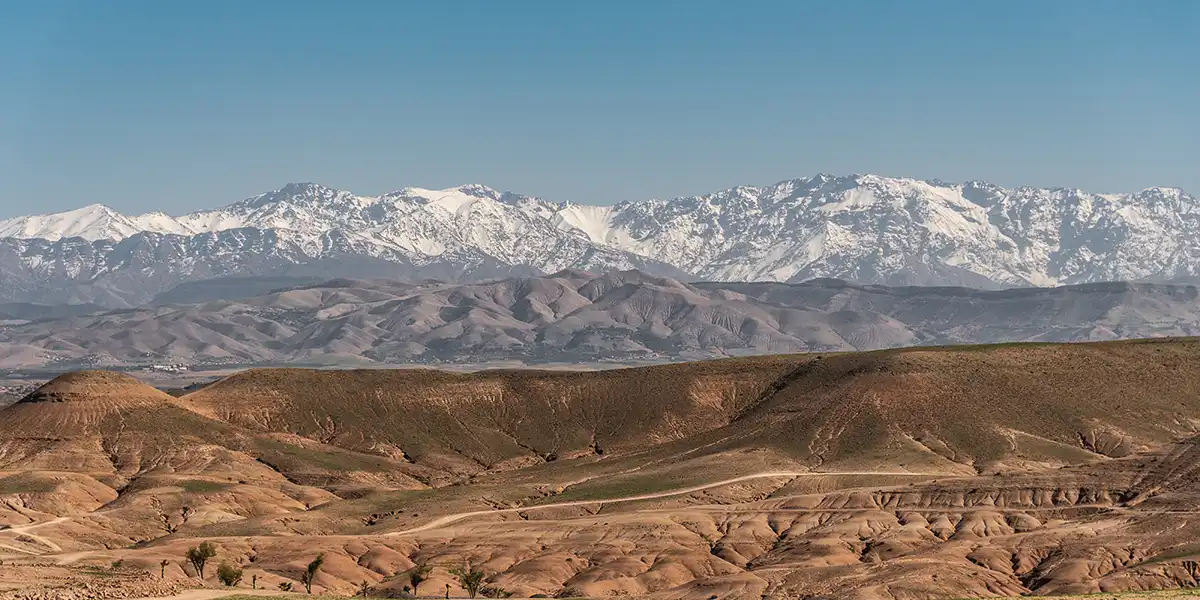
Winter in Morocco offers a unique perspective. While coastal and southern regions remain relatively mild, inland cities can experience cooler temperatures. The Atlas Mountains often receive snowfall, creating opportunities for winter landscapes and scenic experiences. This season is ideal for travelers focused on cultural exploration with fewer crowds.
Frequently asked questions
Spring (March to May) is widely considered the best overall season. Temperatures are comfortable across most regions, which makes it ideal for multi-destination itineraries. Autumn (September to November) is also excellent, particularly for desert routes, and can feel slightly less crowded than spring.
Spring and autumn. Spring allows enjoyable camel trekking and overnight stays without extreme heat or cold, and in autumn temperatures drop after summer, making travel through the Sahara more comfortable. The desert follows its own pattern, with extreme heat in summer and surprisingly cold nights in winter.
Not bad, but it requires a different strategy. Inland cities such as Marrakesh can be intense in summer, so the Atlantic coast becomes the ideal destination. Cities like Essaouira benefit from ocean breezes, and mountain regions also provide a welcome escape from the heat.
Yes. The Atlas Mountains often receive snowfall in winter, creating winter landscapes and scenic experiences, while coastal and southern regions remain relatively mild.
Winter (December to February) suits travellers focused on cultural exploration with fewer crowds. Autumn can also feel slightly less crowded than spring while maintaining favourable conditions across most regions.