
Signature dish
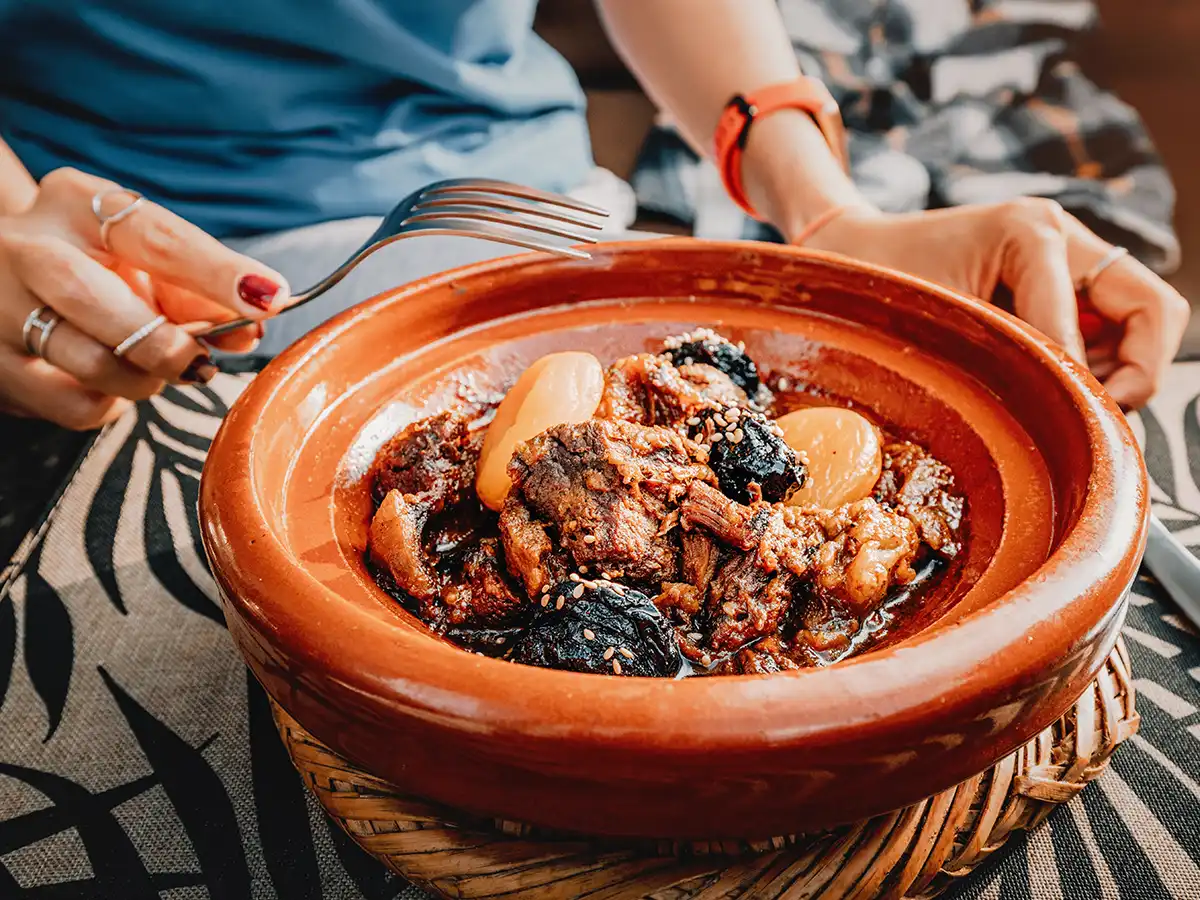
Tagine
A slow-cooked stew named after the conical vessel it's cooked in. Tagines combine meat or fish with fruits, vegetables, and warm spices like cinnamon and ginger.
Travel Guide
Discover traditional Moroccan food, drinks, and culinary experiences across the country.
Moroccan food is one of the country’s most memorable travel experiences, combining rich flavors, slow cooking traditions, and regional diversity. From iconic dishes like tagine and couscous to street food, fresh juices, and mint tea, every meal reflects Morocco’s cultural depth. This guide helps you discover what to eat, where to try it, and how food varies across cities, regions, and local traditions—giving you a complete introduction to Moroccan cuisine before you even arrive, especially when paired with our first-time visitor guide.
Moroccan cuisine is built on a foundation of slow-cooked dishes that layer spices, herbs, and regional ingredients. These classics reveal how traditional cuisine across cities takes on regional character while staying rooted in the country’s culinary identity.
A slow-cooked stew named after the conical vessel it's cooked in. Tagines combine meat or fish with fruits, vegetables, and warm spices like cinnamon and ginger.
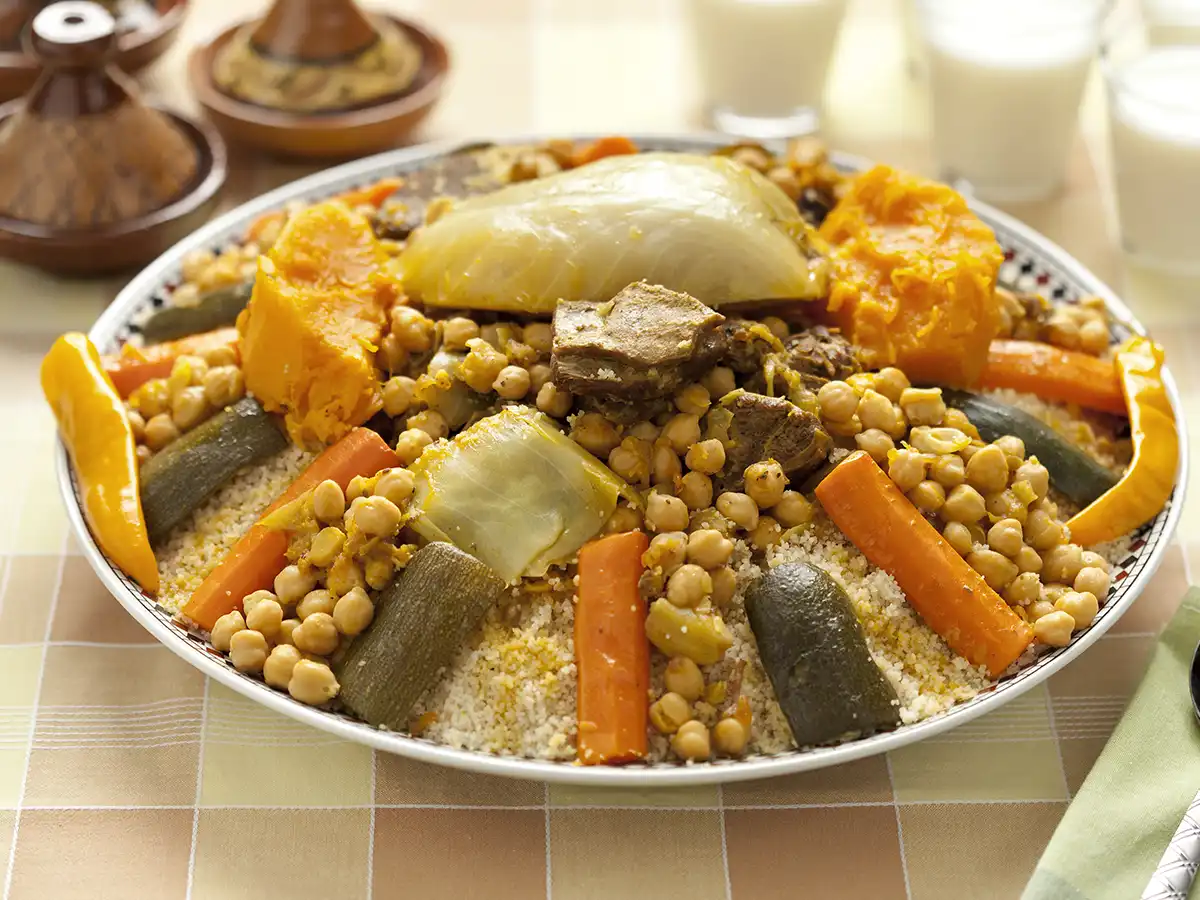
Steamed granules of durum wheat, typically served with a rich broth and vegetables. Couscous is a staple across Morocco and varies by region and occasion.
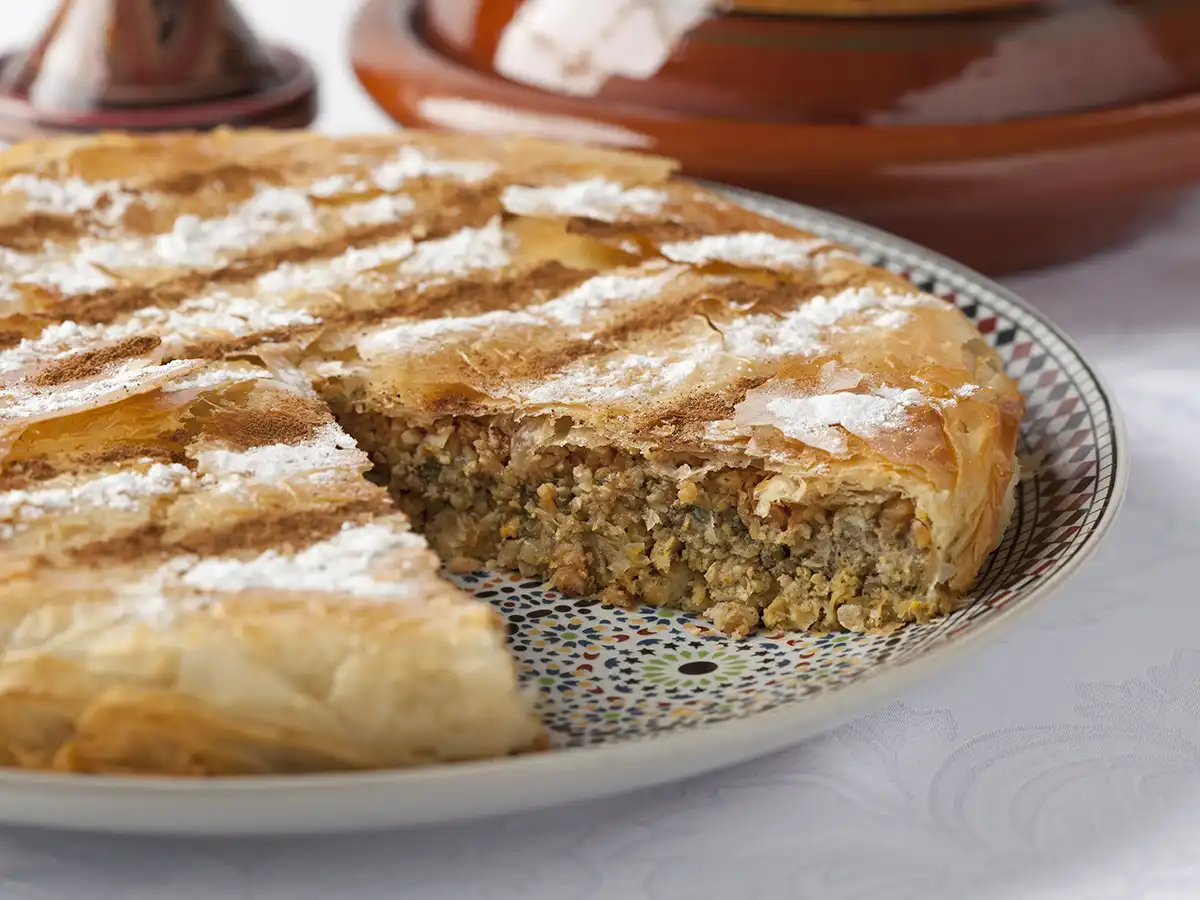
A crispy pastry filled with meat (usually pigeon or chicken), almonds, and eggs, dusted with cinnamon and powdered sugar. A signature festive dish.
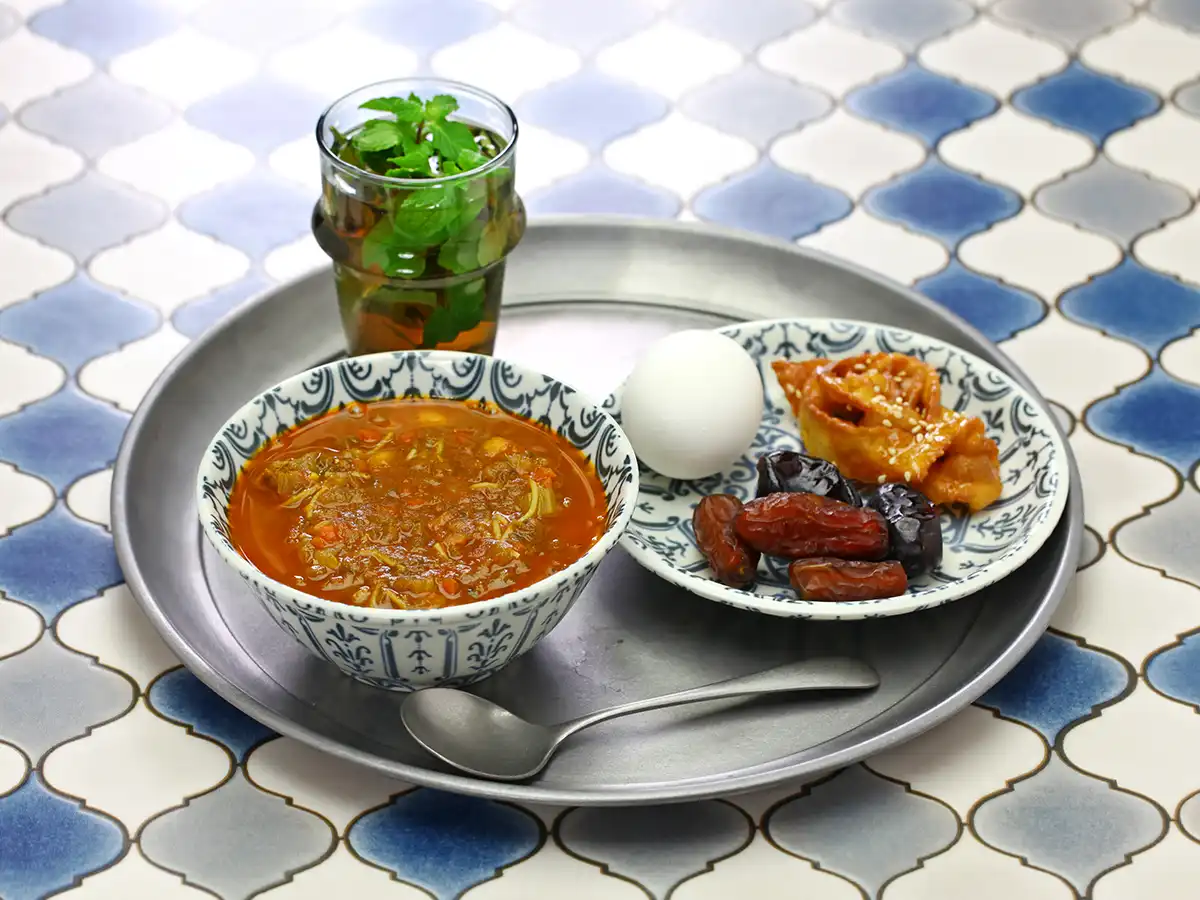
A warming soup made with tomatoes, lentils, chickpeas, and meat, often eaten during Ramadan to break the fast. Rich, hearty, and deeply flavored.
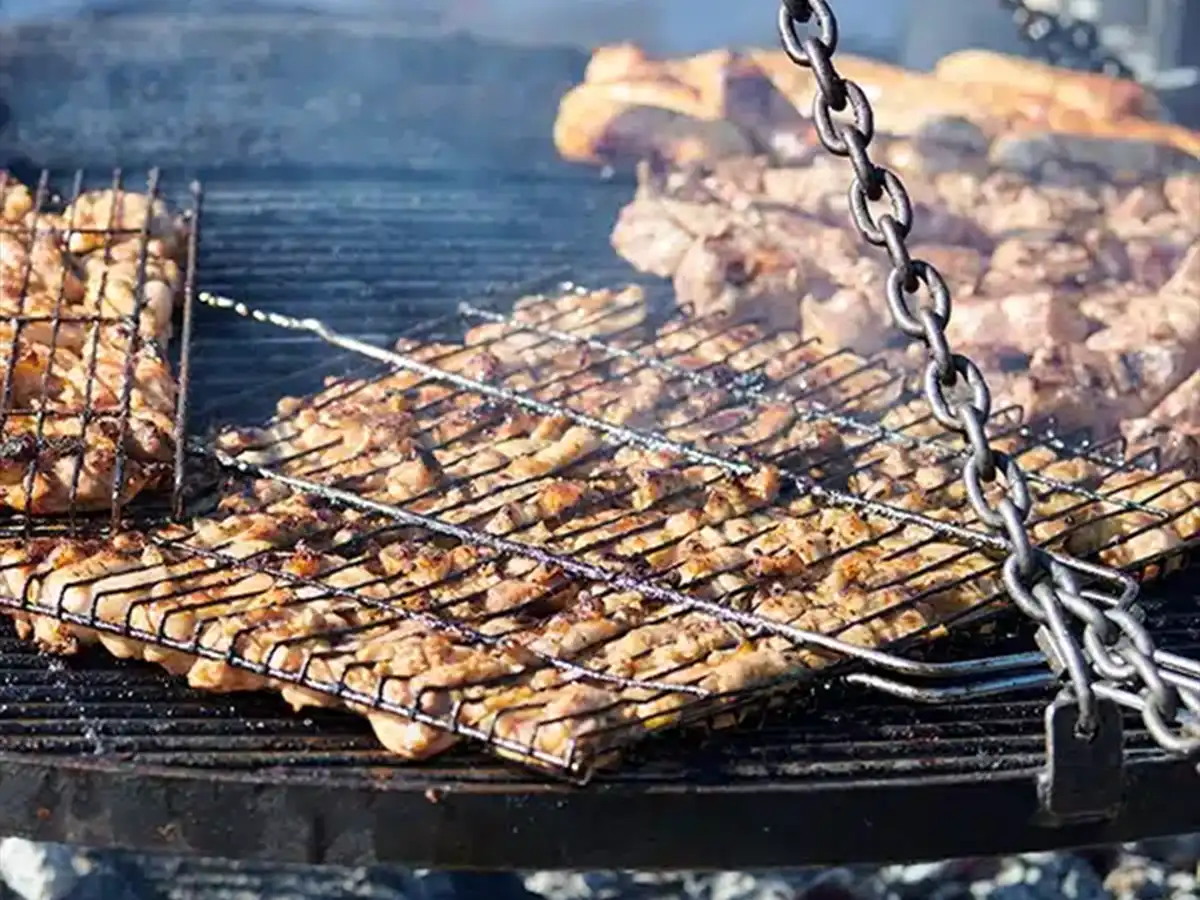
Slow-roasted lamb or goat, seasoned simply and served tender. Often enjoyed at celebrations and special occasions.
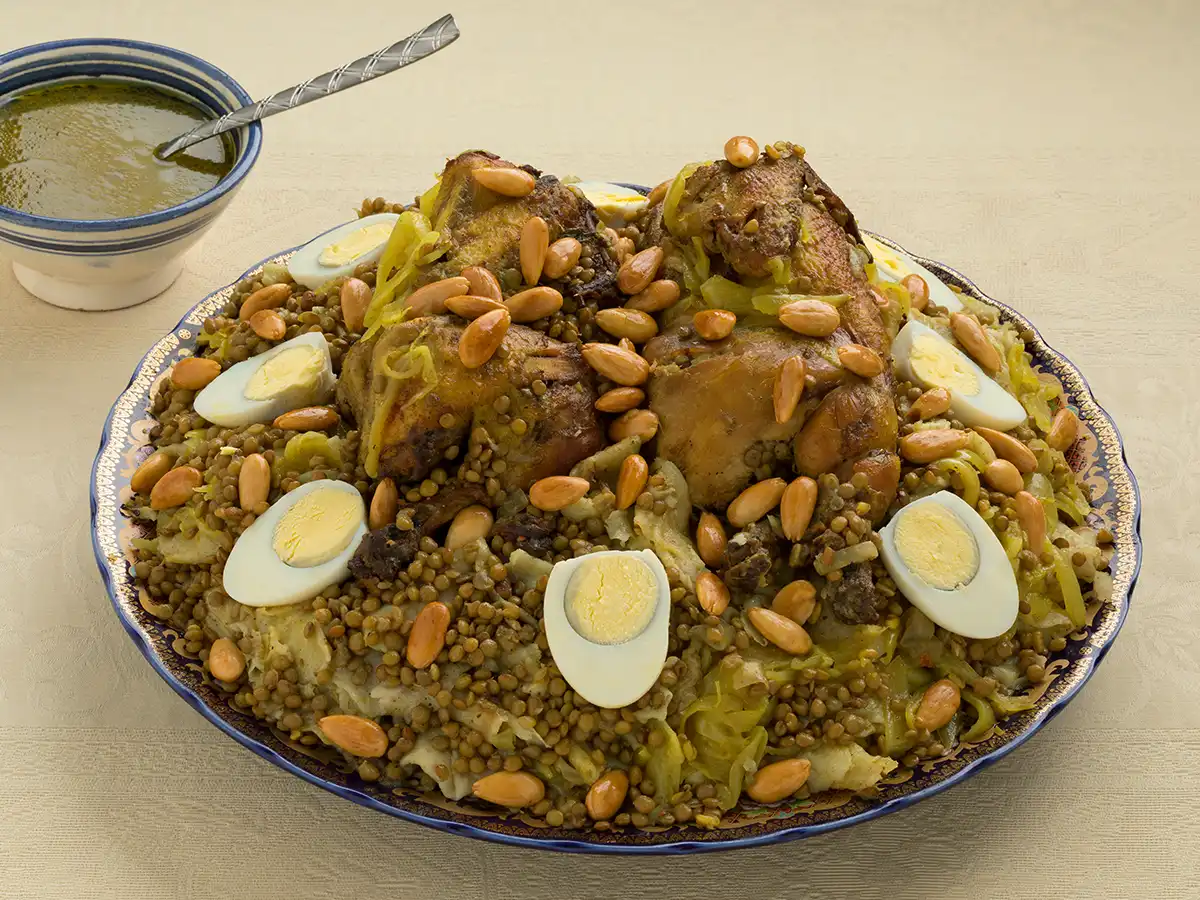
A Fes specialty made of shredded dough layered with meat, lentils, and a spiced broth. Traditionally served during celebrations and after births.
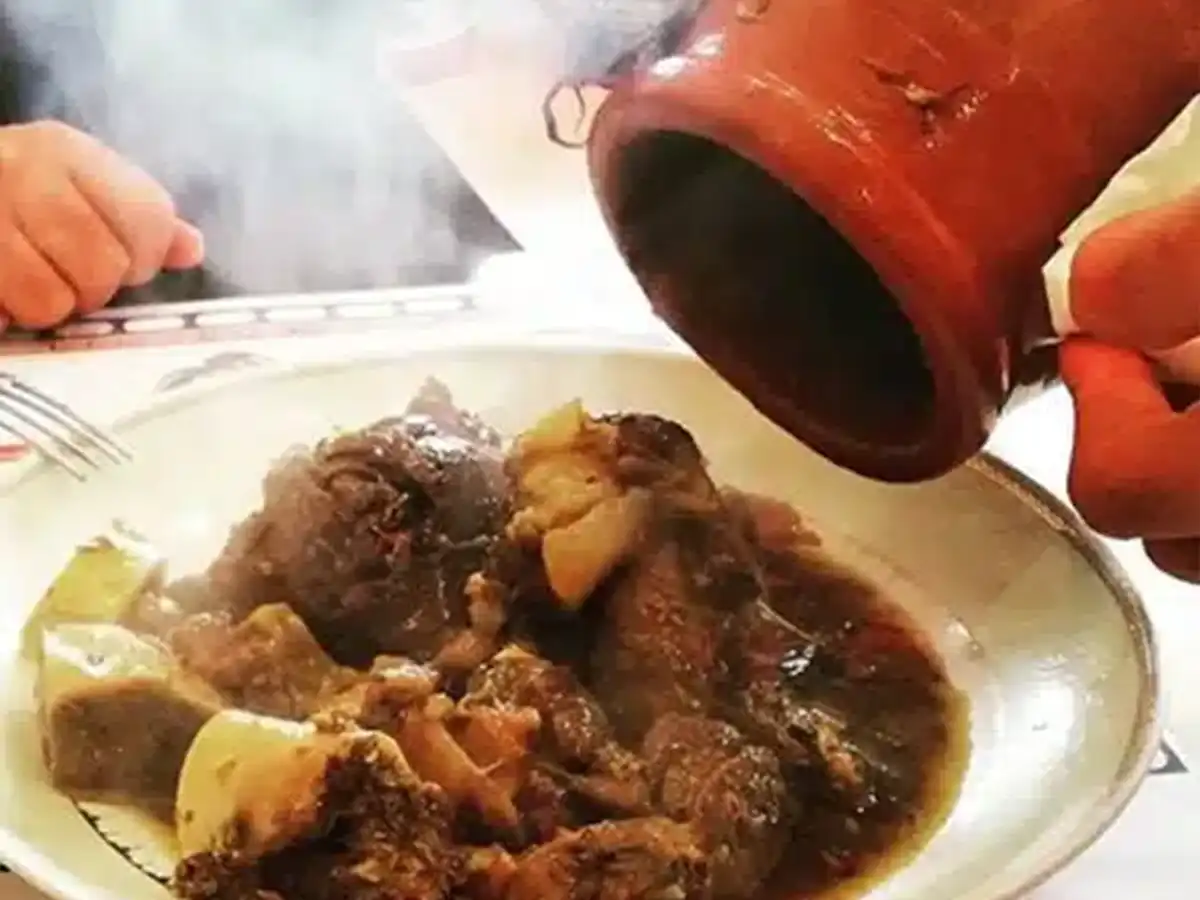
A slow-cooked pot of meat, potatoes, garlic, and ginger, traditionally prepared by locals and cooked in communal ovens. Common in Marrakesh.
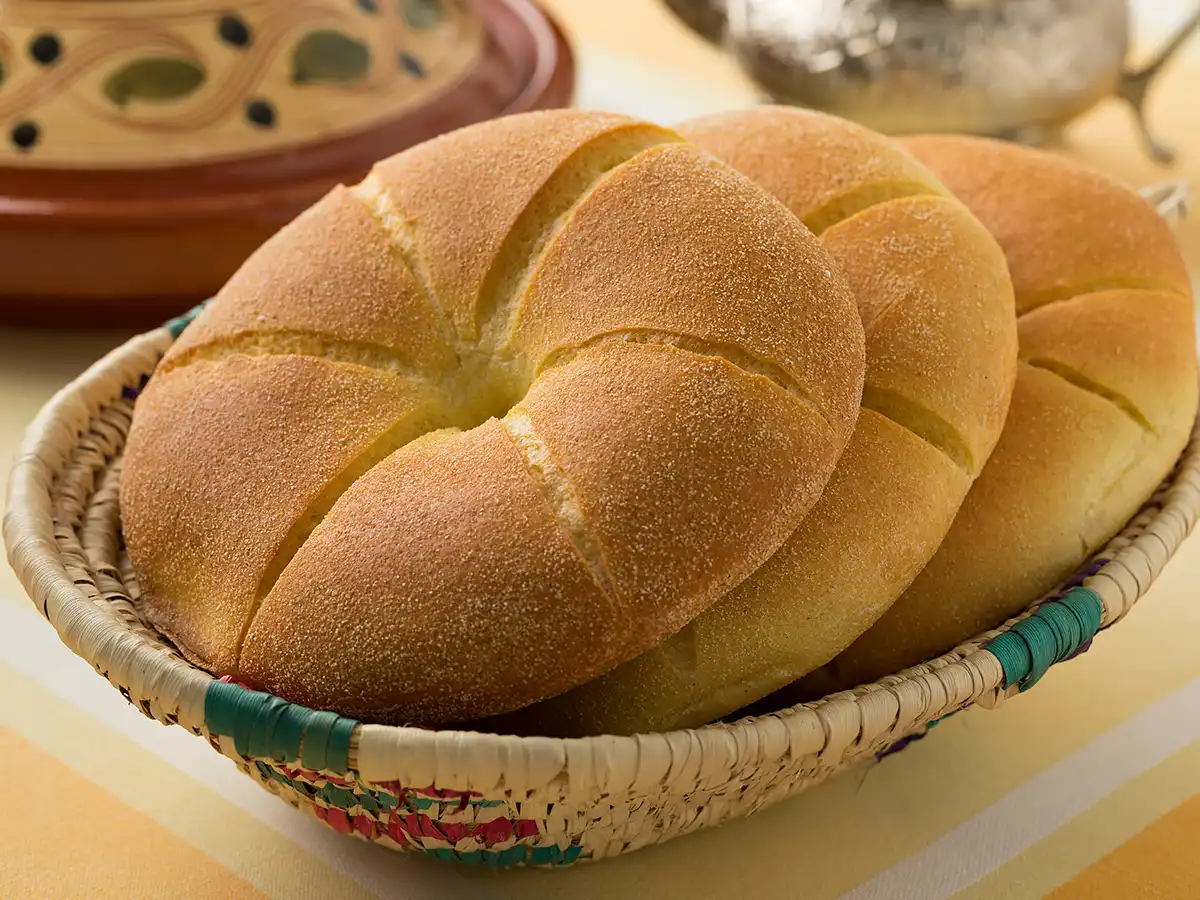
Round flatbreads baked in communal ovens. Bread is a staple at every meal and varies by region, from plain to sesame-topped.
Moroccan sweets are often enjoyed with tea and represent craftsmanship and celebration. These pastries, cookies, and confections showcase layers of texture and warmth from traditional spices.
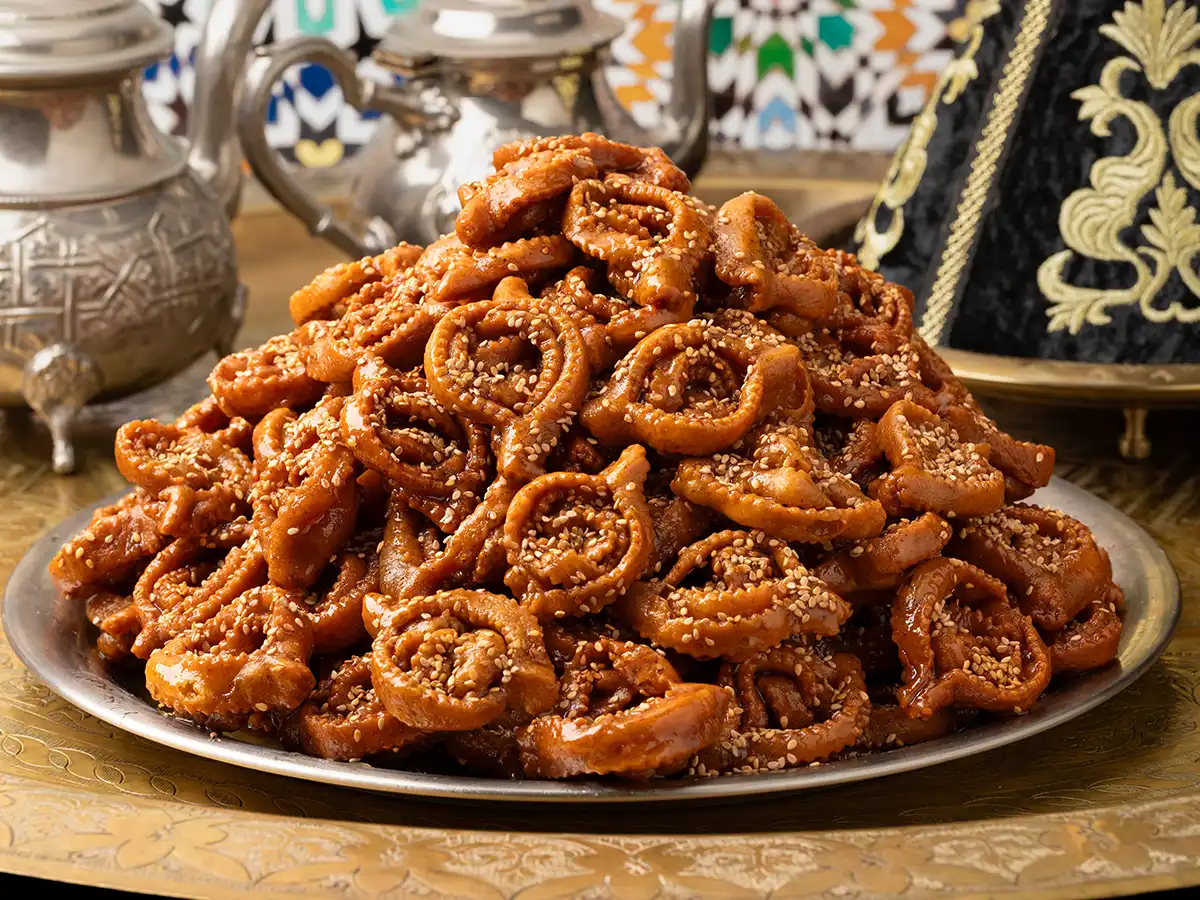
A spiral-shaped pastry fried and dipped in honey and sesame seeds. Sweet, fragrant, and commonly enjoyed during Ramadan.
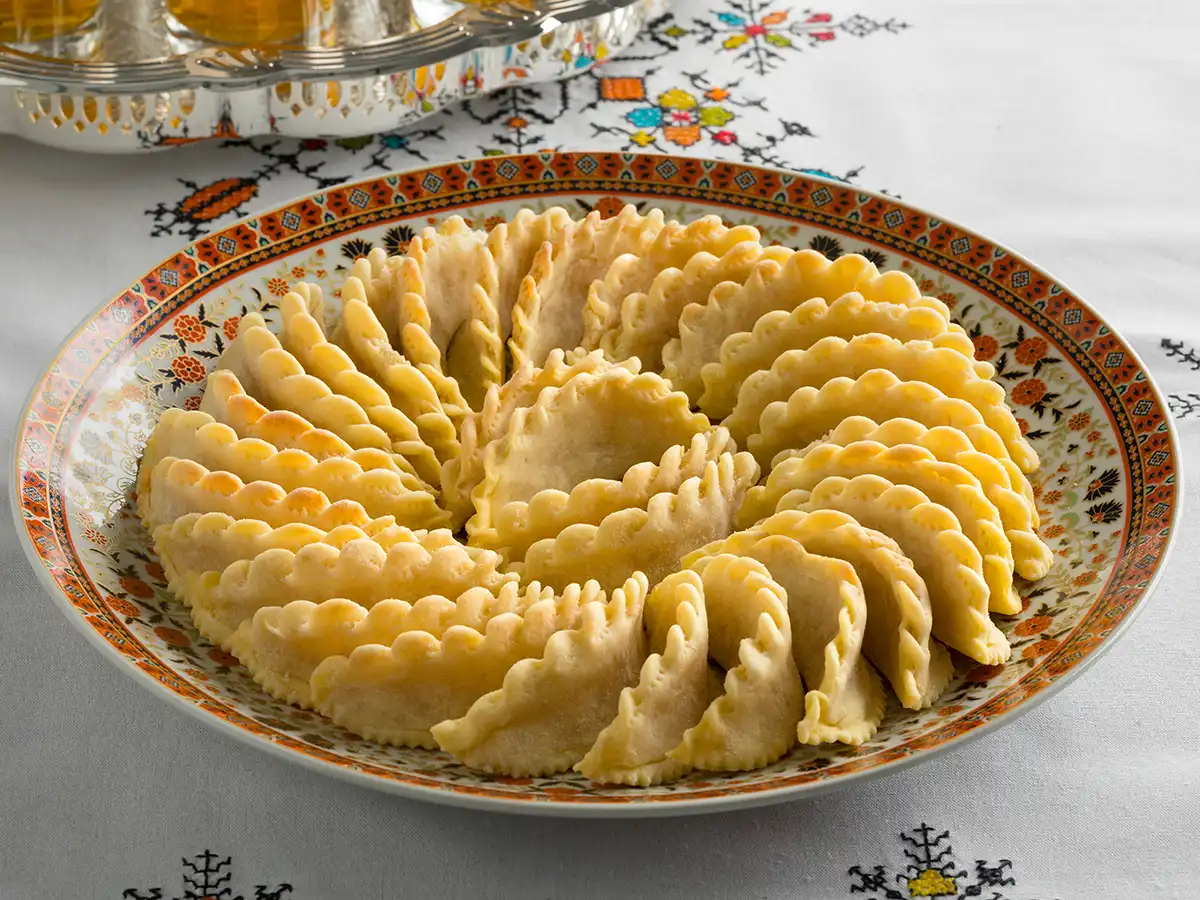
Crescent-shaped pastries filled with almond paste and orange blossom water. Delicate, slightly nutty, and traditionally made for celebrations.
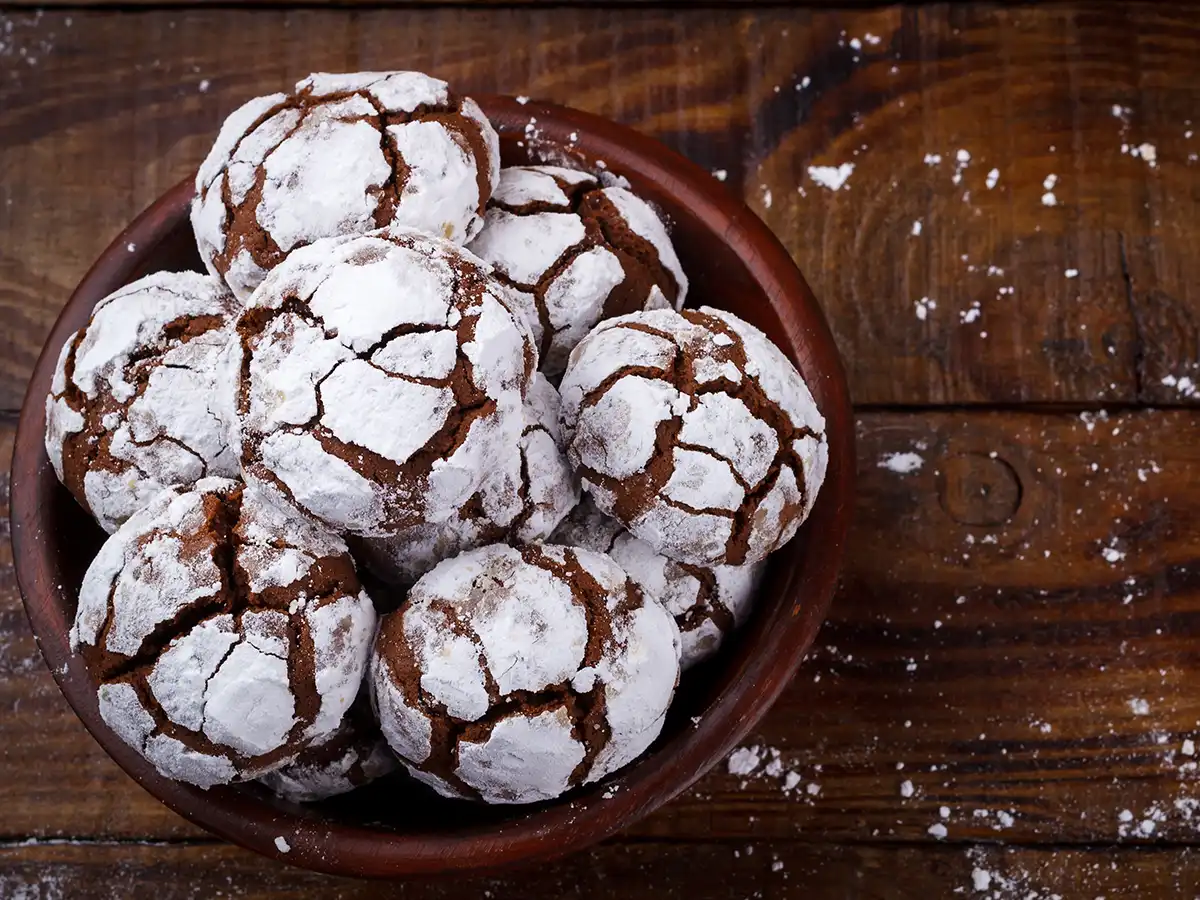
Soft cookies flavored with coconut, sesame, or almond. Simple but deeply flavorful, often enjoyed with mint tea.
Moroccan beverages range from the iconic mint tea to fresh juices and smoothies. Drinks are an important part of hospitality and daily life, reflecting local produce and traditions.

Strong green tea sweetened with sugar and fresh mint. Served hot throughout the day as a gesture of hospitality and a social ritual.
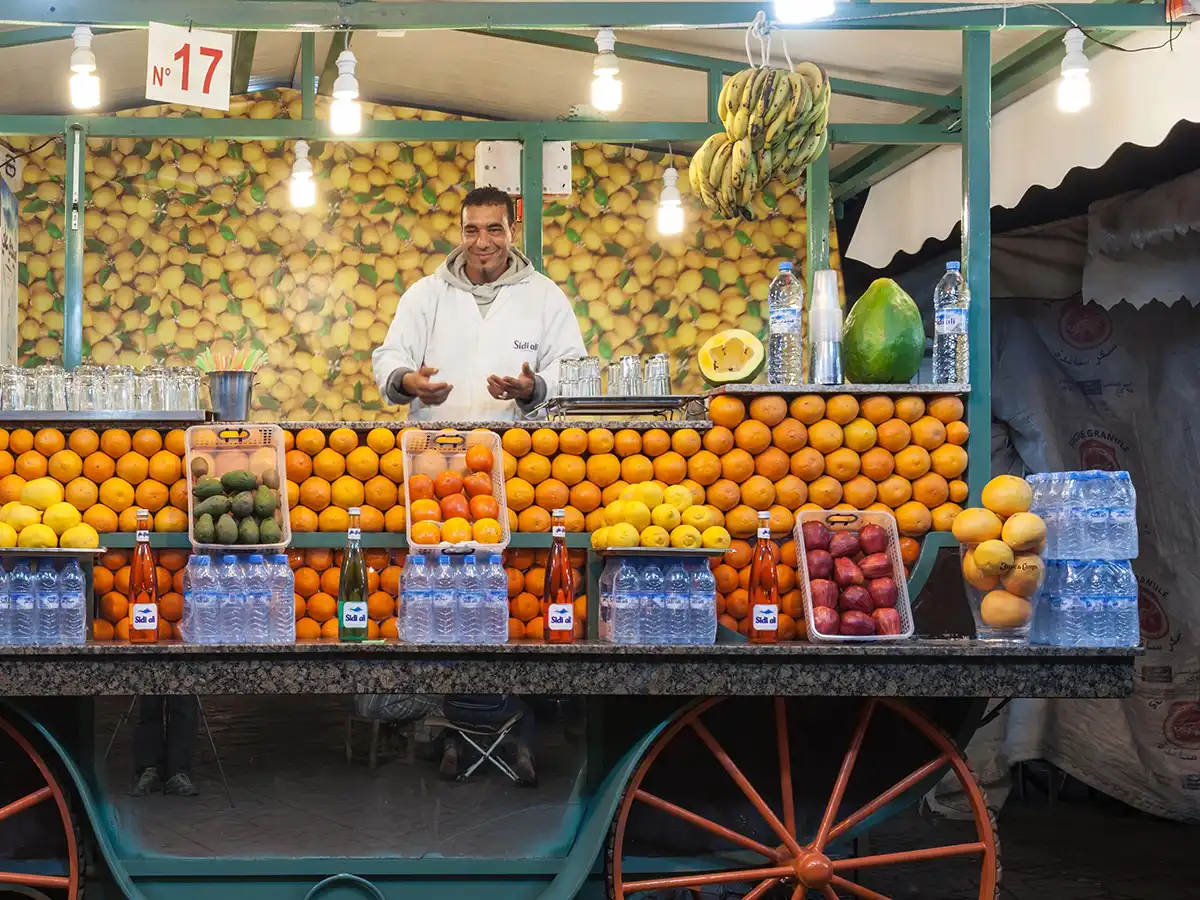
Freshly squeezed orange juice available at street stalls and cafés. Often blended with other fruits like strawberry or pomegranate.
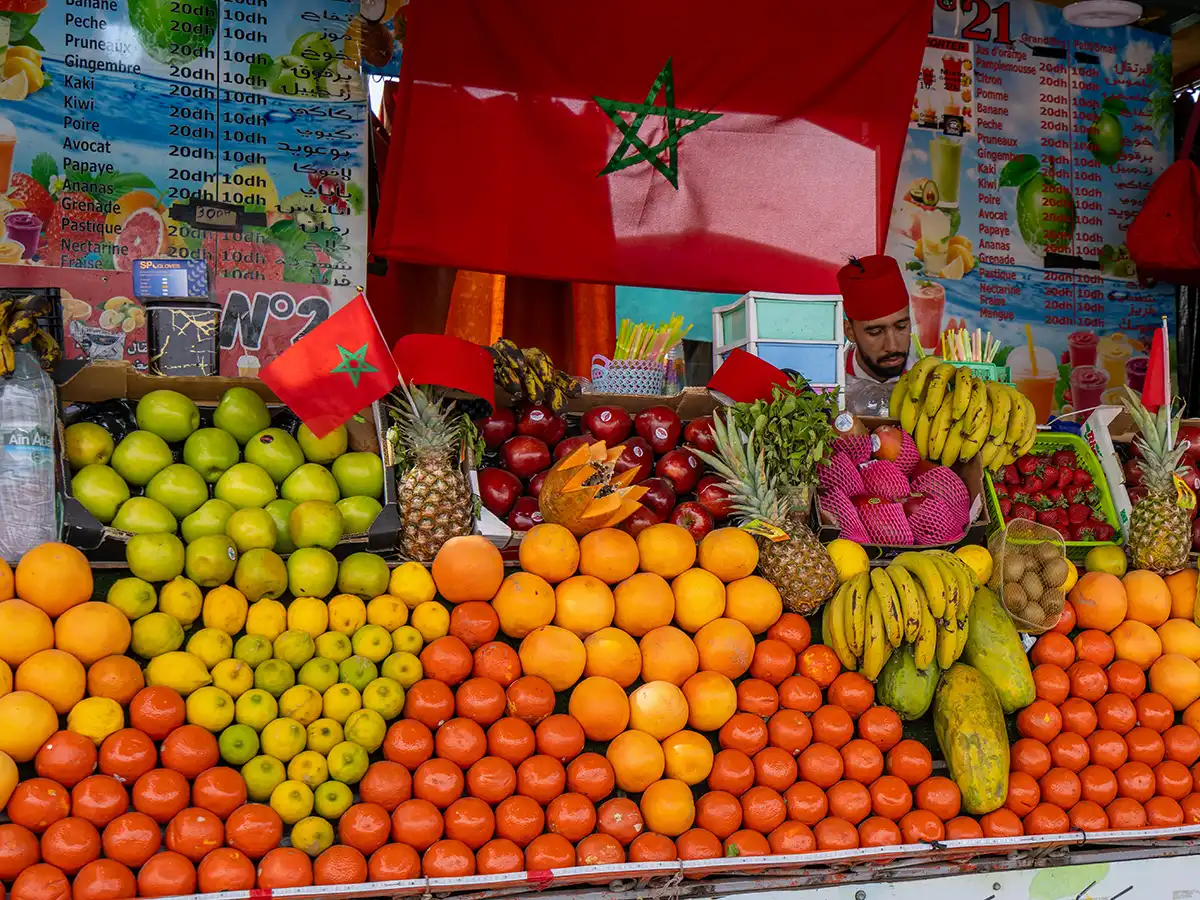
A creamy blend of avocado, milk, and sugar. Popular in cities and often served as a breakfast or post-meal drink.
Explore Morocco's food scene by destination, from street food and market stalls in Marrakesh to traditional medina cuisine in Fez and seafood along the Atlantic coast.
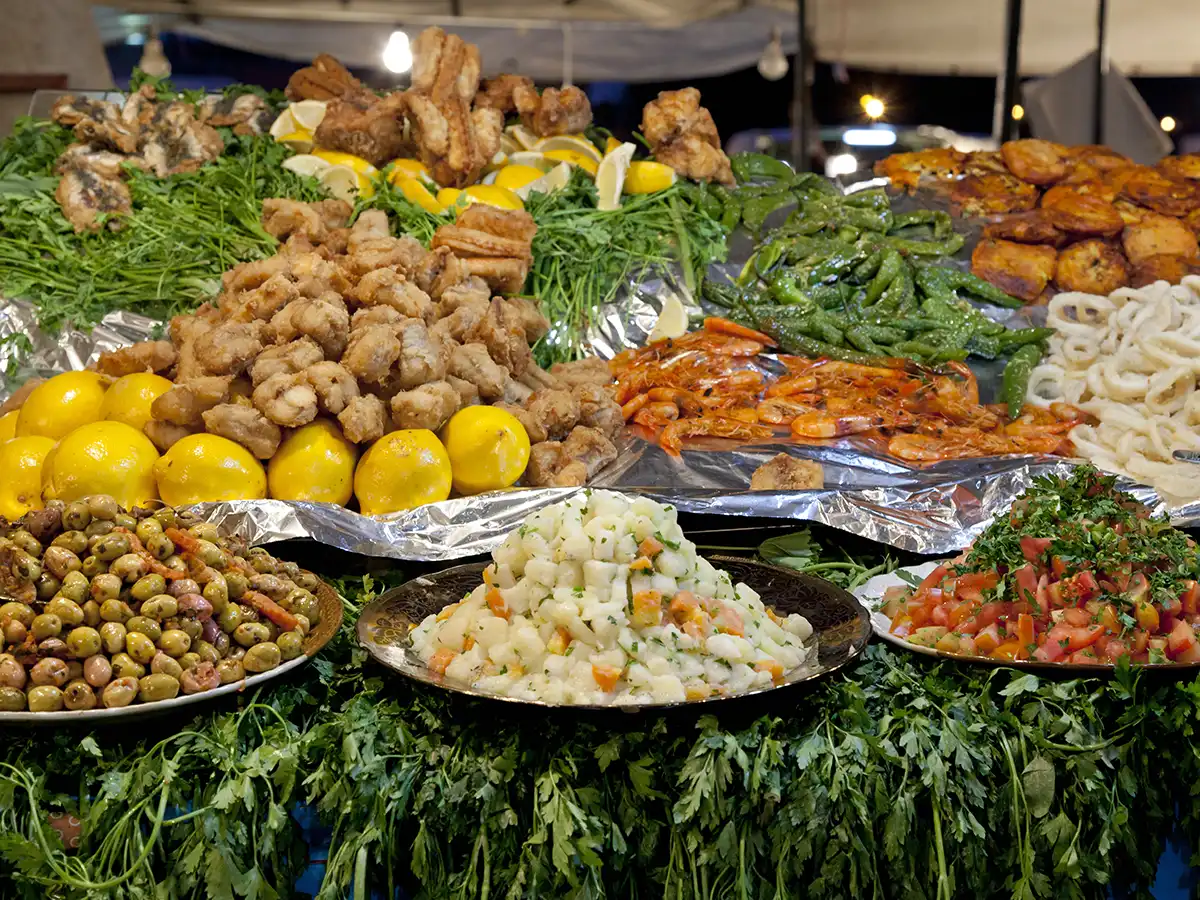
Marrakesh's food scene ranges from tanjia in local neighborhoods to fine dining riads. Don't miss the medina food stalls, where Moroccans eat, and the famous Jemaa el-Fnaa square for street food.
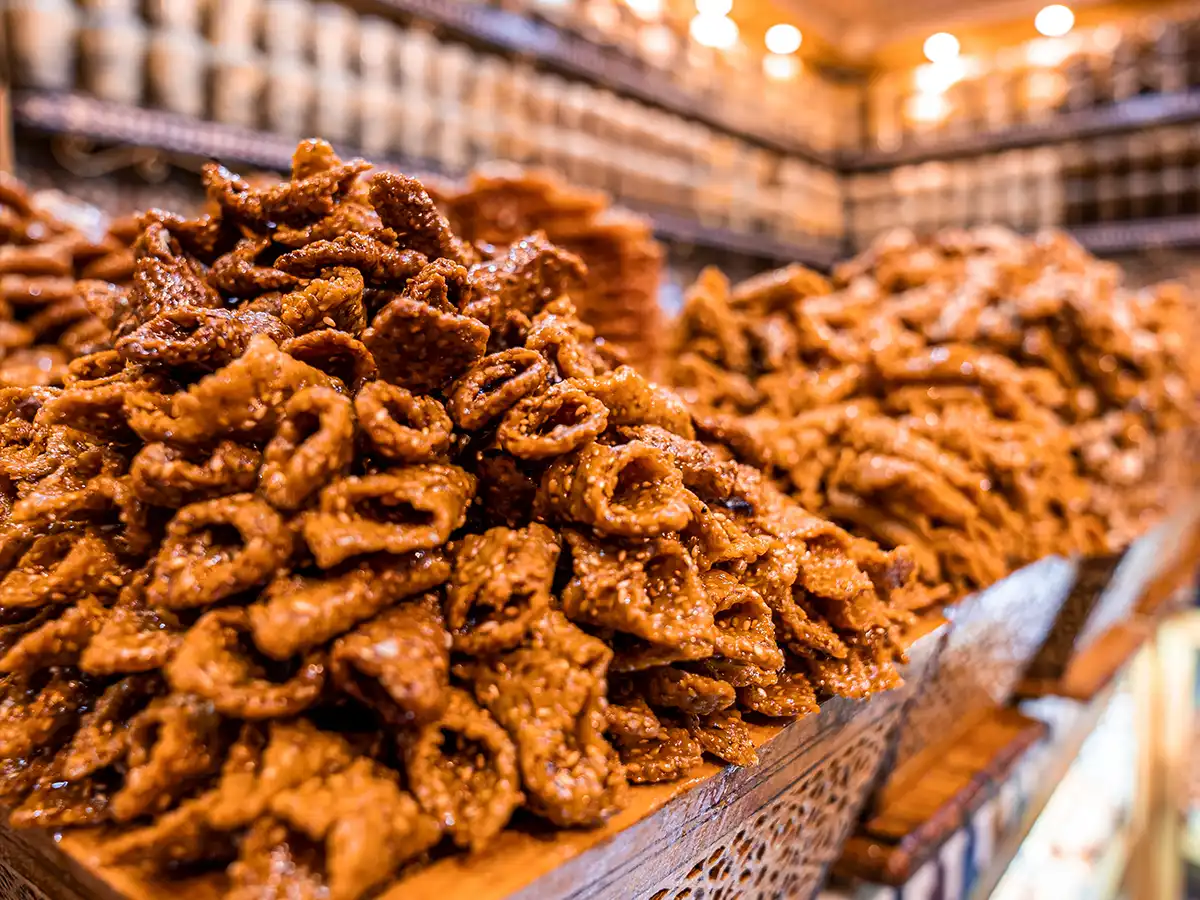
Fez is known for refined Moroccan cuisine and traditional pastries. The medina is home to generations-old family recipes. Try local specialties like r'fissa and explore the traditional bakeries.
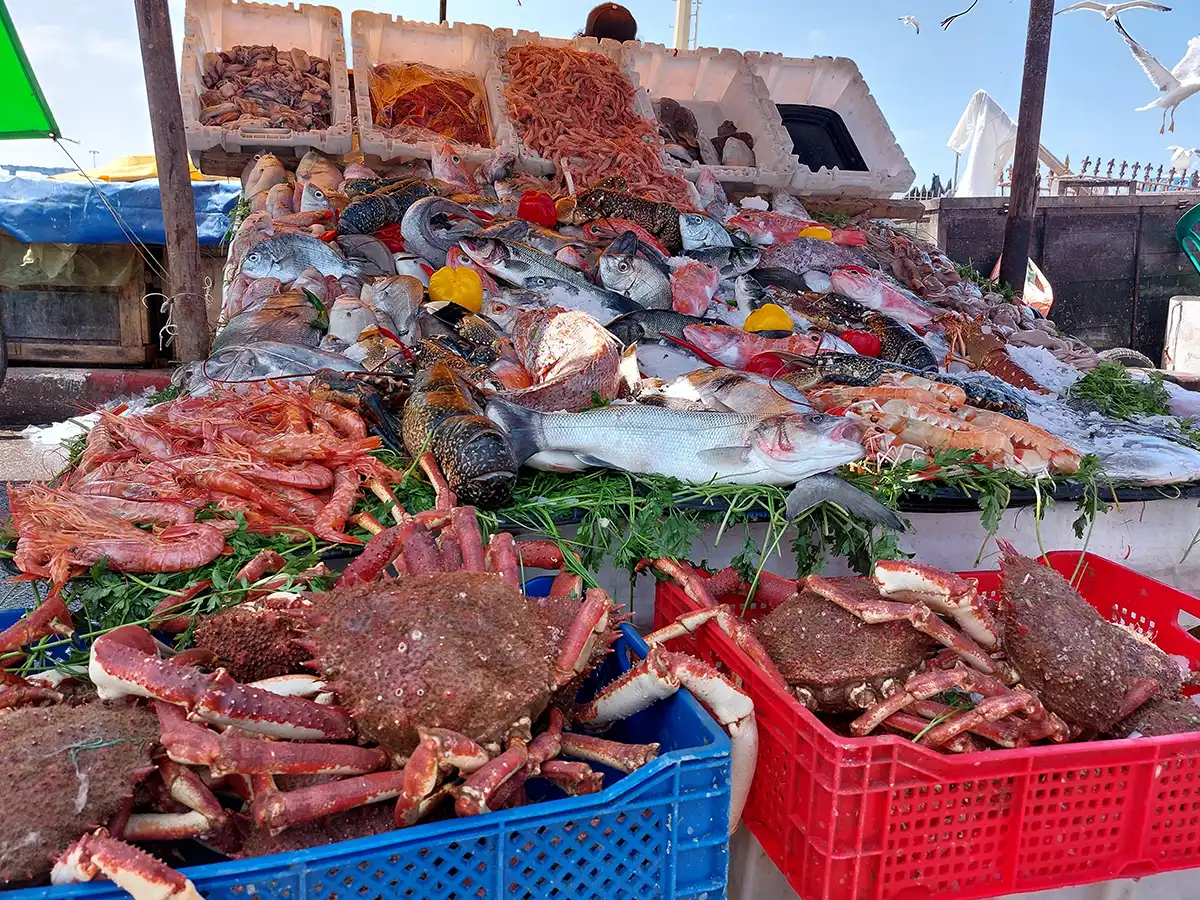
A coastal city famous for fresh seafood and Moroccan-European fusion. Visit the harbor for grilled fish, and explore the medina for local pastries and fresh fruit juices.
Travelers usually start with classic dishes like tagine and couscous, explore local street food and sweets, and experience the ritual of mint tea. What you eat depends on your destination and travel style.
Each city has its own food culture. Marrakesh is known for street food and medina eateries, Fez for refined traditional cuisine, and Essaouira for fresh seafood. Eating where locals eat often leads to the best experiences.
Moroccan food uses warm spices like cinnamon, cumin, and ginger rather than heat-based spice. While some dishes contain chili, most traditional cuisine is flavorful but not intensely hot.
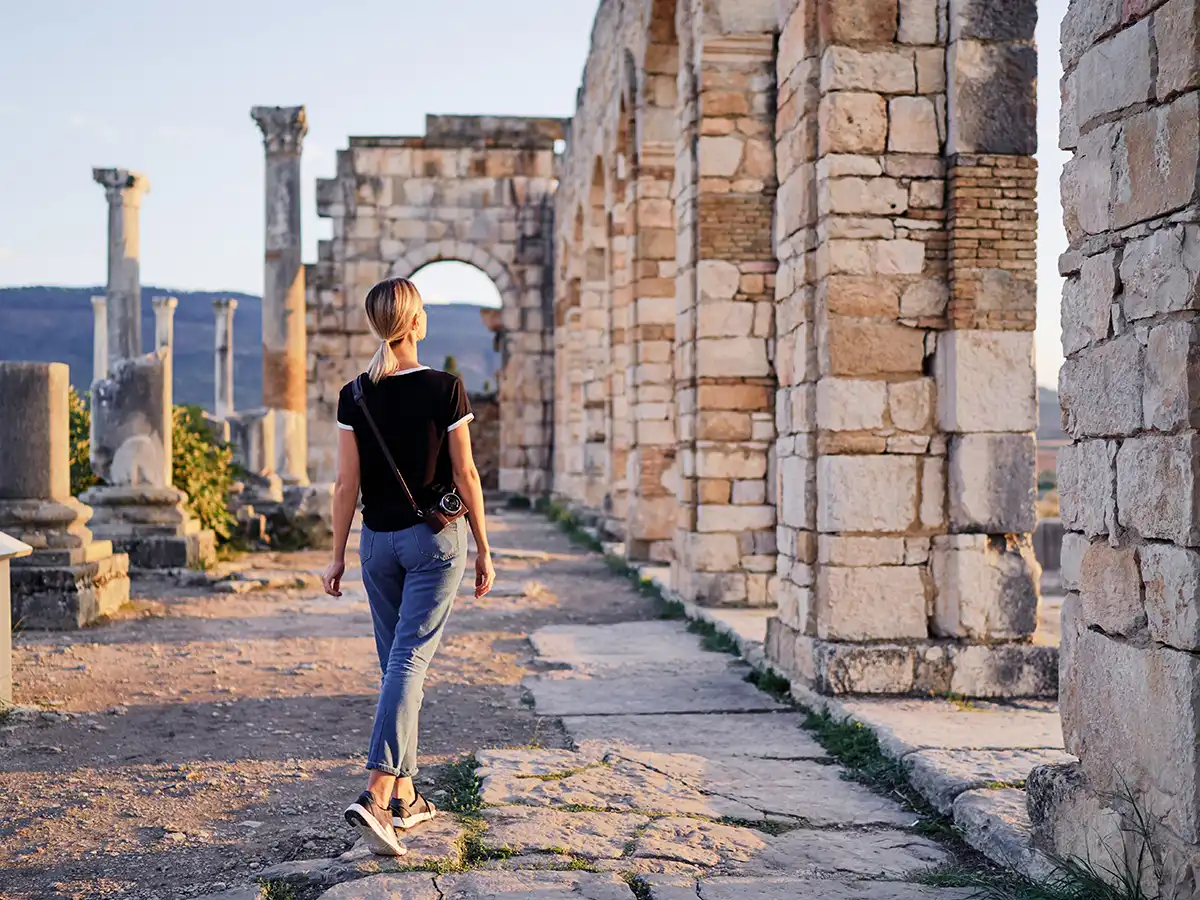
Discover Morocco’s imperial cities and Sahara desert on a 9-day cultural journey from Casablanca to Marrakesh.
View Details →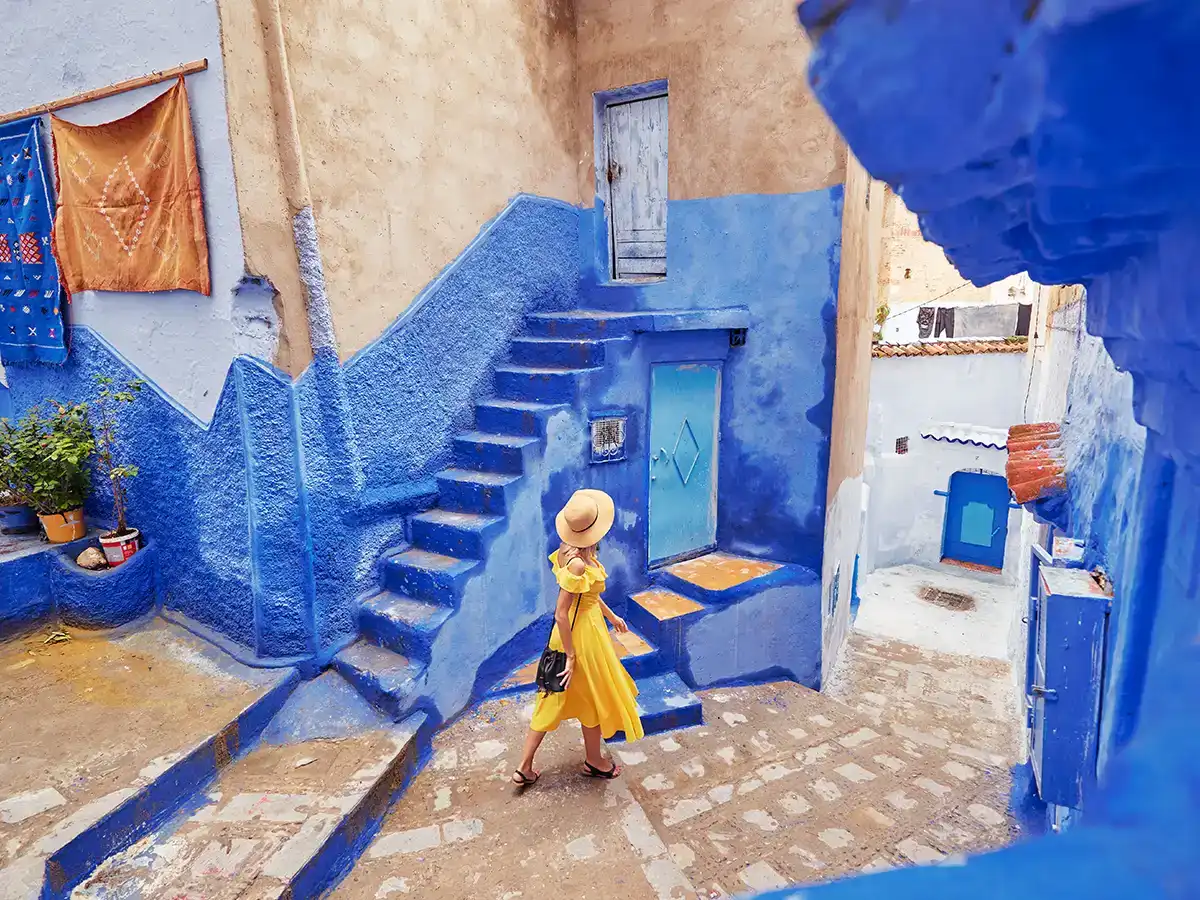
Explore Morocco’s imperial cities and the blue city of Chefchaouen on an 8-day cultural journey.
View Details →
Discover Morocco’s imperial cities on an 8-day cultural journey from Casablanca to Fez and Marrakesh.
View Details →