
Tours
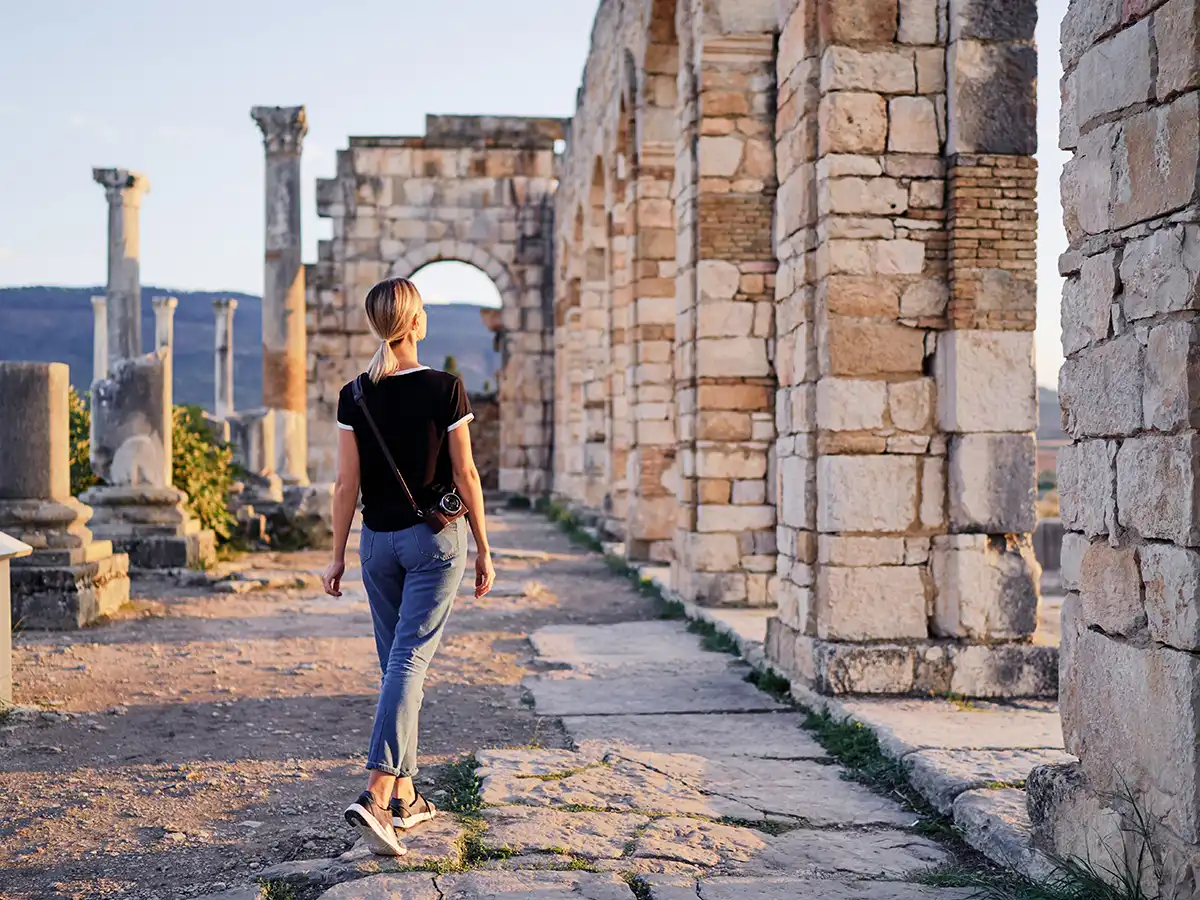
Desert & Imperial Cities Tour
9 days / 8 nights$1390/adult
Discover Morocco’s imperial cities and Sahara desert on a 9-day cultural journey from Casablanca to Marrakesh.
View Details →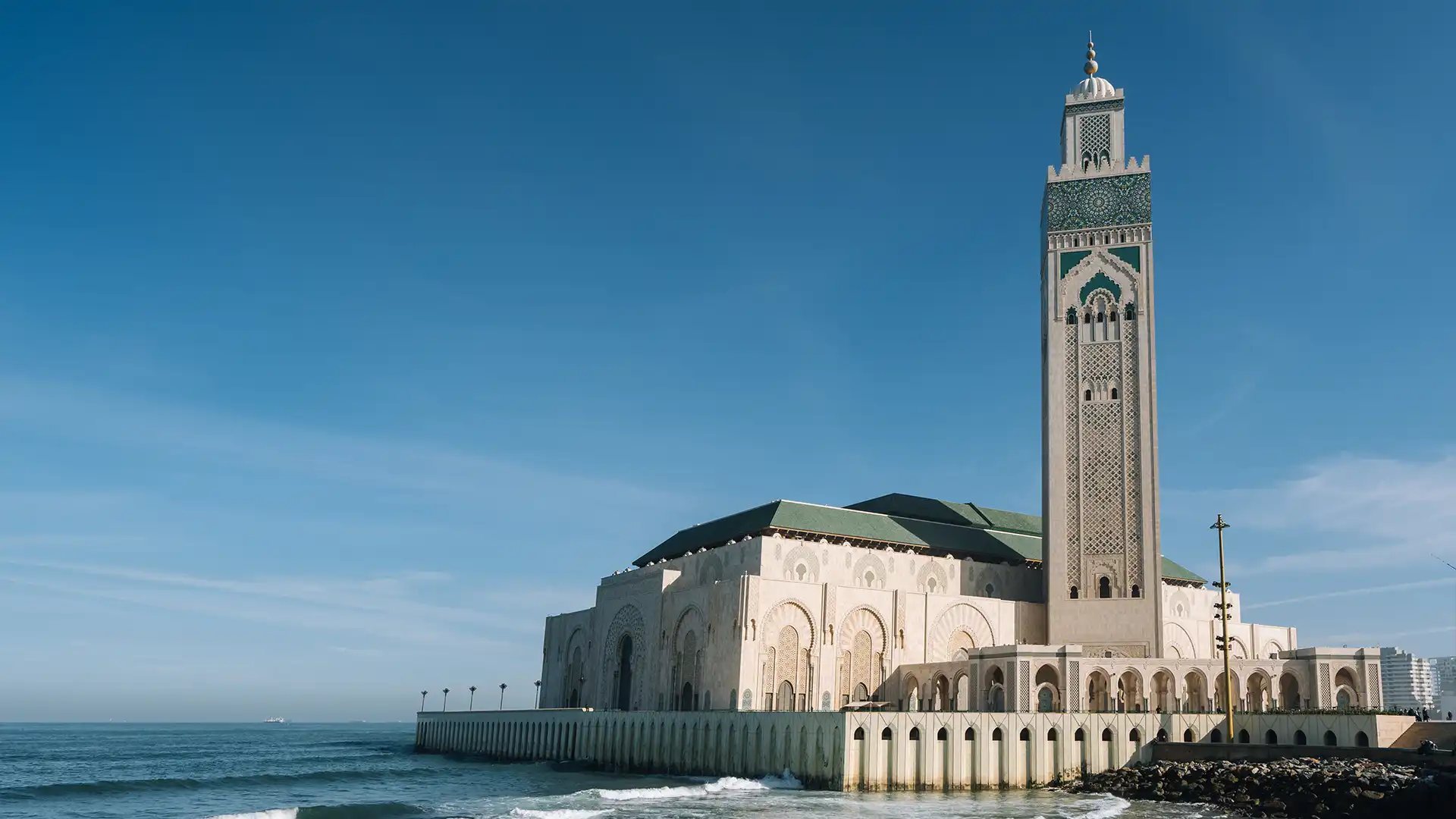
Destination Guide
Discover Casablanca, Morocco’s modern coastal hub known for Hassan II Mosque, Atlantic views, Art Deco architecture, business energy, and urban culture.
Casablanca is Morocco’s largest city and its economic center, but it is also one of the country’s most distinctive urban experiences. Set along the Atlantic coast, it combines business energy, broad boulevards, Art Deco buildings, and one of the most iconic landmarks in Morocco: the Hassan II Mosque.
Unlike the imperial cities, Casablanca is less about enclosed medinas and more about movement, scale, and modern identity. The city feels active, outward-looking, and connected to everyday Moroccan life in a way that is different from destinations built mainly around tourism.
For many travelers, Casablanca works best as both an arrival point and an introduction to contemporary Morocco. It offers coastline, architecture, restaurants, and city life, while also giving access to one of the country’s strongest contrasts between tradition and modernity.
Planning the route around this destination? Compare private Morocco tours, local experiences, and practical advice on where to stay in Morocco before you build your itinerary.
Casablanca offers a side of Morocco that many travelers do not fully understand before arriving. It is not defined by the same atmosphere as Marrakesh or Fez, but by something more urban and contemporary: business energy, wide avenues, Atlantic views, and a city rhythm that feels immediate and real.
What makes Casablanca stand out is its contrast. You can move from grand modern infrastructure to older neighborhoods, from seaside promenades to Art Deco facades, and from one of the world’s most striking mosques to everyday street life. That mix gives the city a character that is less theatrical, but often more revealing of modern Morocco.
It also works well as a gateway. Casablanca is one of the country’s main entry points, with major air connections, strong rail links, and a practical location for continuing toward Rabat, El Jadida, or other parts of the country. For some travelers, that makes it a short stop; for others, it becomes a useful urban base. That combination is what makes Casablanca worth visiting—not as a replacement for Morocco’s historic cities, but as a complement to them. It adds scale, modernity, and coastal energy to a Morocco itinerary, while still offering major landmarks and strong city experiences of its own.
Weather · Casablanca
Sunny
Tue
28°
22°
Wed
27°
22°
What makes Casablanca stand out is its contrast. You can move from grand modern infrastructure to older neighborhoods, from seaside promenades to Art Deco facades, and from one of the world’s most striking mosques to everyday street life. That mix gives the city a character that is less theatrical, but often more revealing of modern Morocco.
It also works well as a gateway. Casablanca is one of the country’s main entry points, with major air connections, strong rail links, and a practical location for continuing toward Rabat, El Jadida, or other parts of the country. For some travelers, that makes it a short stop; for others, it becomes a useful urban base. That combination is what makes Casablanca worth visiting—not as a replacement for Morocco’s historic cities, but as a complement to them. It adds scale, modernity, and coastal energy to a Morocco itinerary, while still offering major landmarks and strong city experiences of its own.
Find the best flight options to reach Casablanca with ease.
Explore the best places to stay in Casablanca, from riads to hotels.
Discover the best places to stay in Morocco, from traditional riads and boutique hotels to desert camps and coastal retreats. Whether you are planning a first trip or a multi-destination itinerary, this guide helps you choose the right accommodation with confidence.
Compare Morocco flight options, choose the best arrival airport, and plan a smoother start to your itinerary.
Plan transport with confidence by comparing trains, buses, taxis, private transfers, and car rental in one practical guide. Choose the right option for your route, budget, and travel style.
Discover traditional Moroccan food, drinks, and culinary experiences across the country.
Compare mobile networks, SIM cards, internet options, and practical tips for staying connected in Morocco.
Discover Morocco’s most iconic landmarks, from medinas and riads to kasbahs, souks, and historic cities. Understand what defines Moroccan architecture and cultural life.
Merzouga sits about 560 km from Marrakech, an 8 to 10 hour drive across the High Atlas. Here is how to make the journey, how long to allow, and what you see on the way.
From ancient medinas and Sahara adventures to Atlantic beaches and mountain landscapes, discover 25 unforgettable things to do in Morocco.
Not sure where to go in Morocco? This guide covers the country's best destinations, from imperial cities to coastal towns and the Sahara.
Casablanca is Morocco’s largest city and its main business hub, but it also offers Atlantic views, landmark architecture, modern neighborhoods, and a different urban experience from the country’s imperial cities. It is best explored through its coast, architecture, cafés, and cultural landmarks.
Hassan II Mosque is Casablanca’s most important landmark, set beside the Atlantic Ocean and known for its scale, architecture, and coastal setting.
The Corniche offers ocean views, cafés, restaurants, and a more relaxed side of Casablanca along the Atlantic coastline.
Casablanca’s old medina is smaller and less polished than other Moroccan medinas, but it gives visitors a look at the city’s older commercial life.
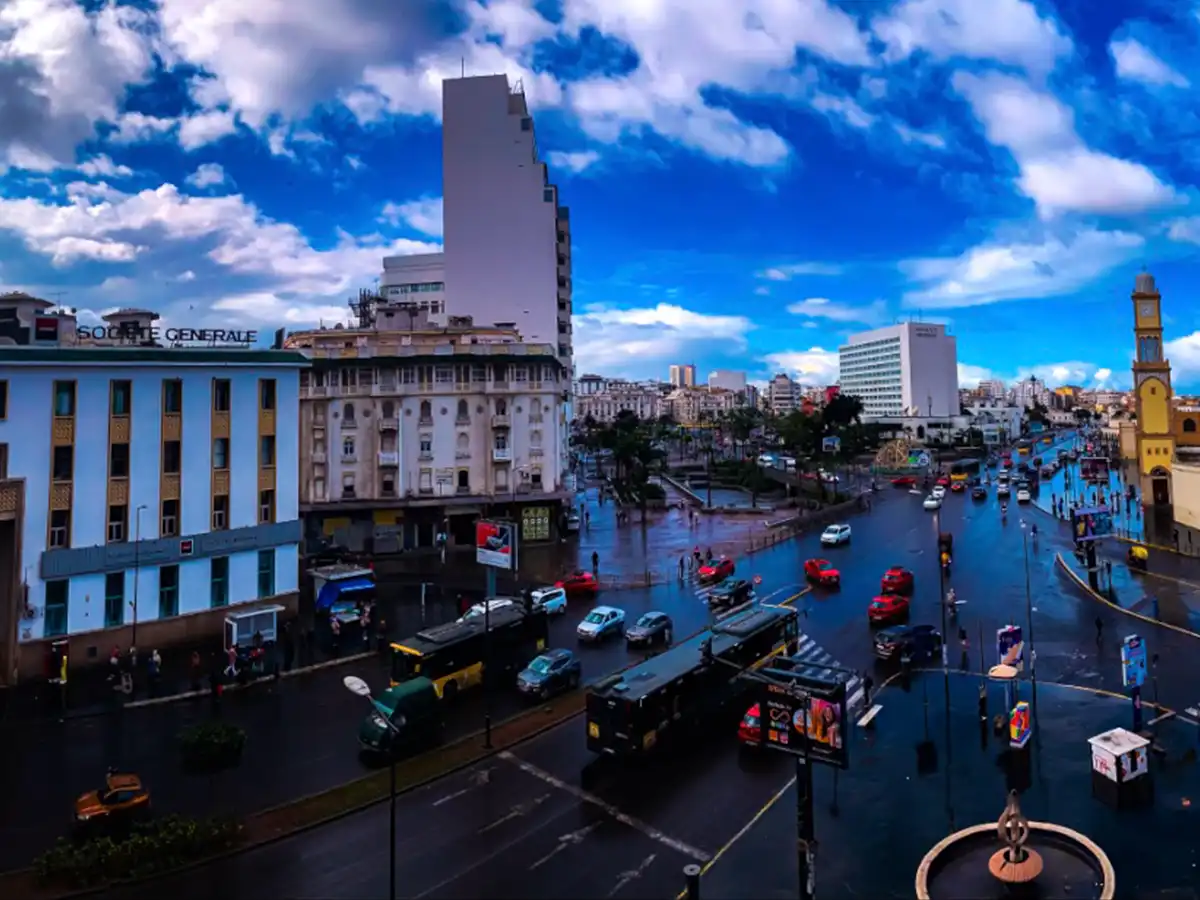
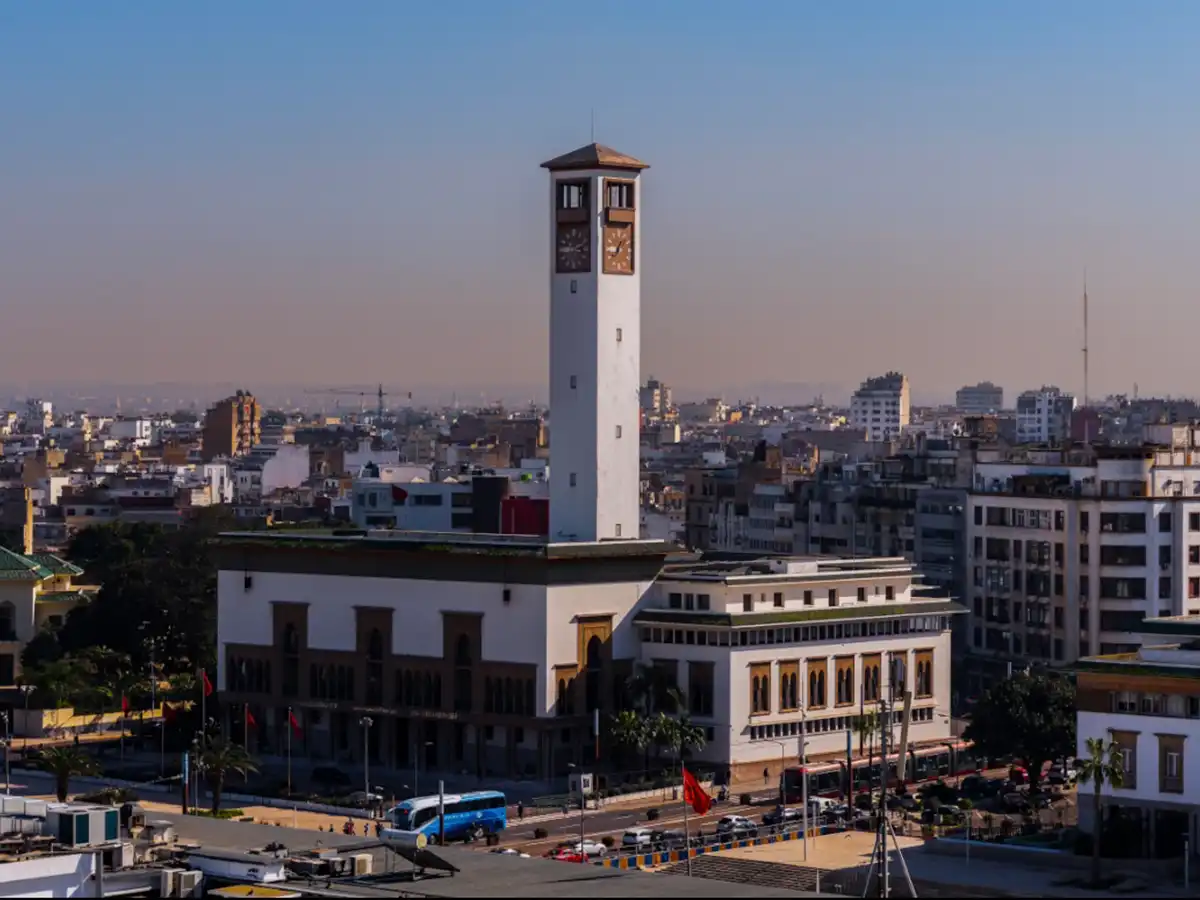
Central Casablanca has notable Art Deco buildings and wide urban streets that reflect the city’s modern colonial-era development.
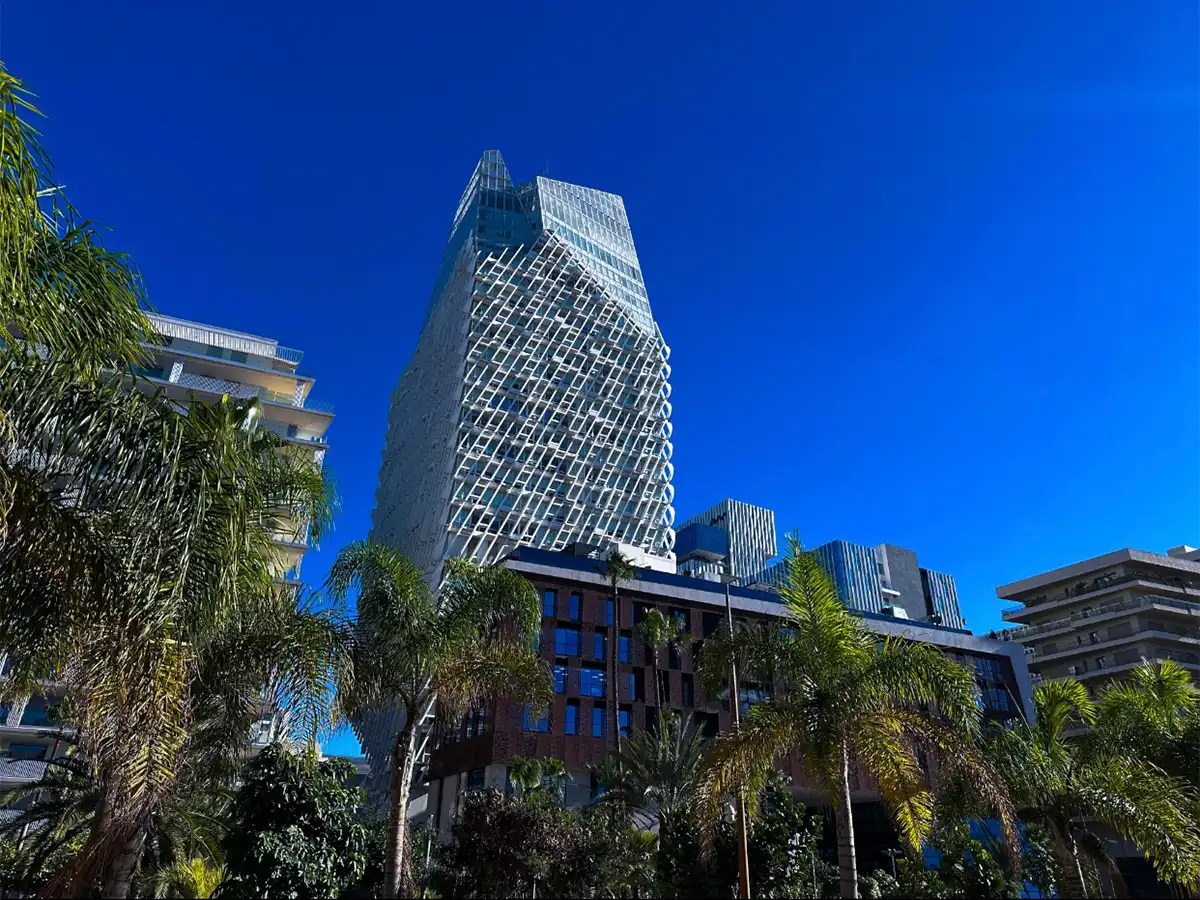
Casablanca is also known for its modern shopping areas, business districts, and contemporary lifestyle, offering a different side of Morocco.
Explore curated itineraries connected to Casablanca, with flexible options for every travel style.
Discover Morocco’s imperial cities and Sahara desert on a 9-day cultural journey from Casablanca to Marrakesh.
View Details →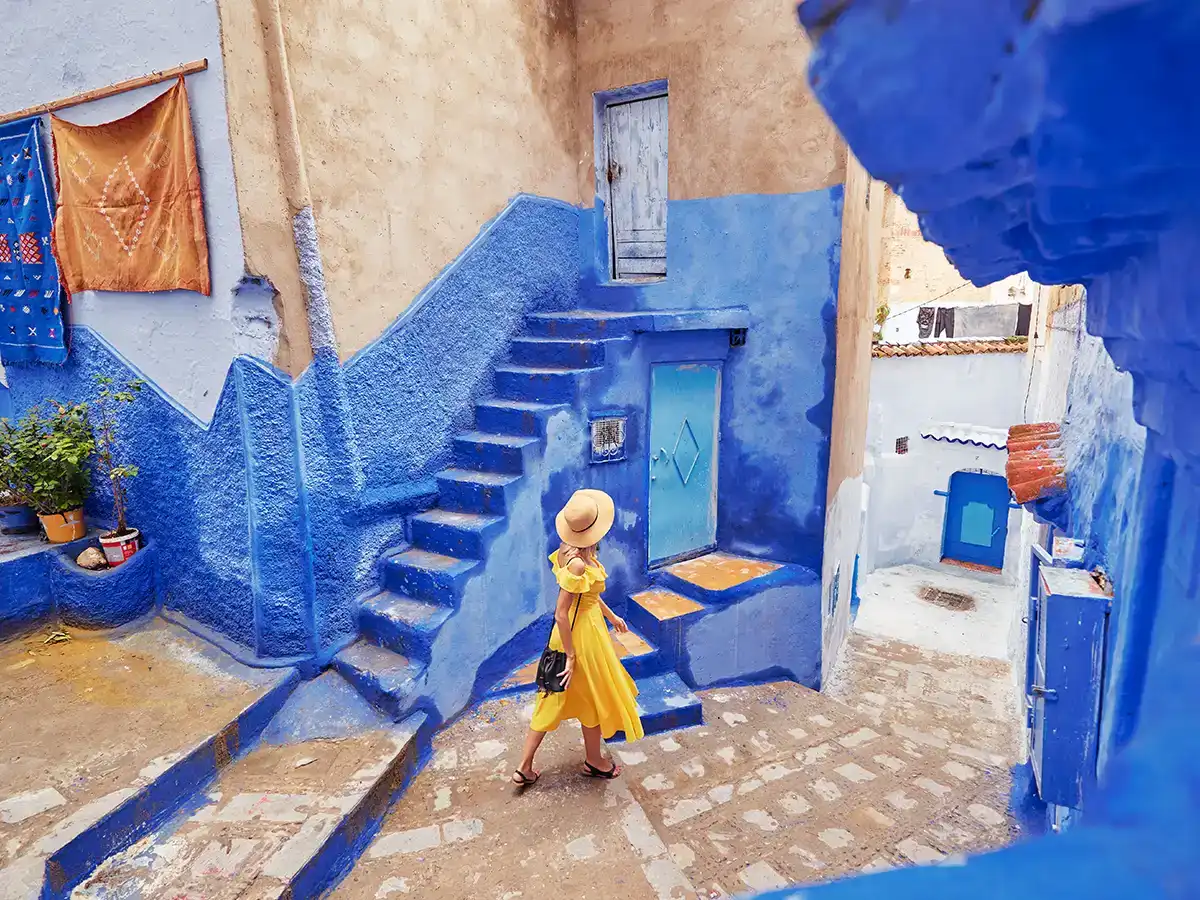
Explore Morocco’s imperial cities and the blue city of Chefchaouen on an 8-day cultural journey.
View Details →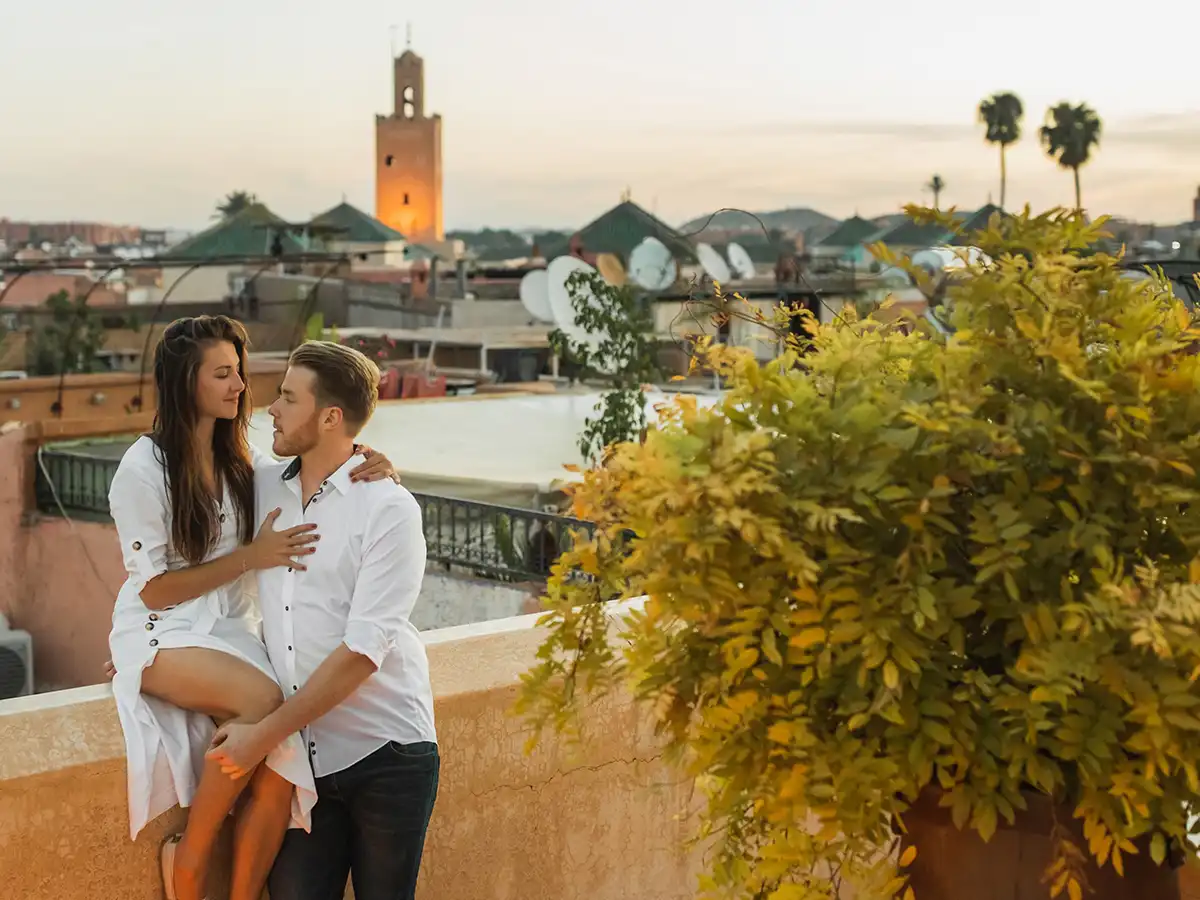
Discover Morocco’s imperial cities on an 8-day cultural journey from Casablanca to Fez and Marrakesh.
View Details →A quieter district blending traditional inspiration with French-era planning, known for bookshops and arcades.
Central Casablanca reveals one of the most interesting collections of Art Deco architecture in Morocco.
The Corniche becomes one of the best places to experience Casablanca’s coastal lifestyle at sunset.
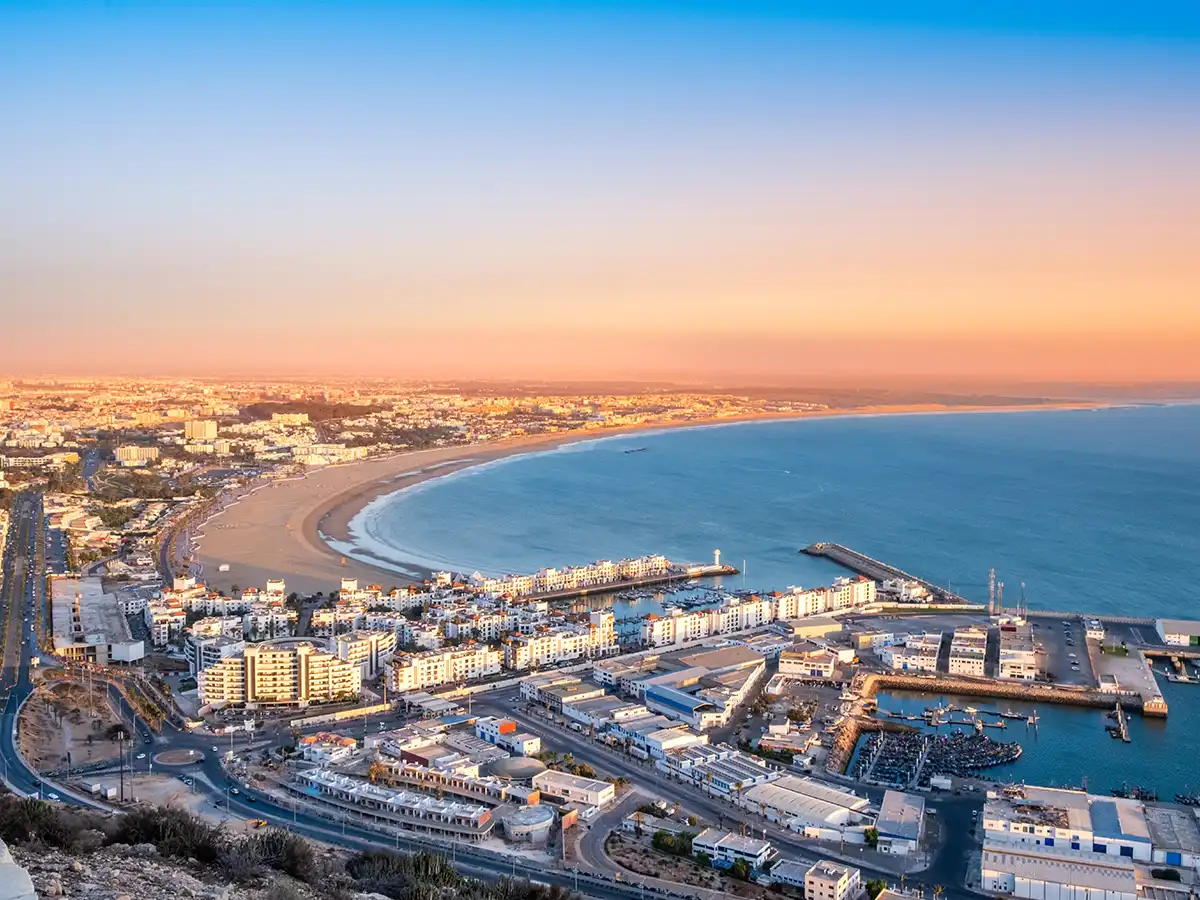
Discover Agadir, Morocco’s beach city with surf spots, marina views, and Atlantic coastline.
Explore Agadir→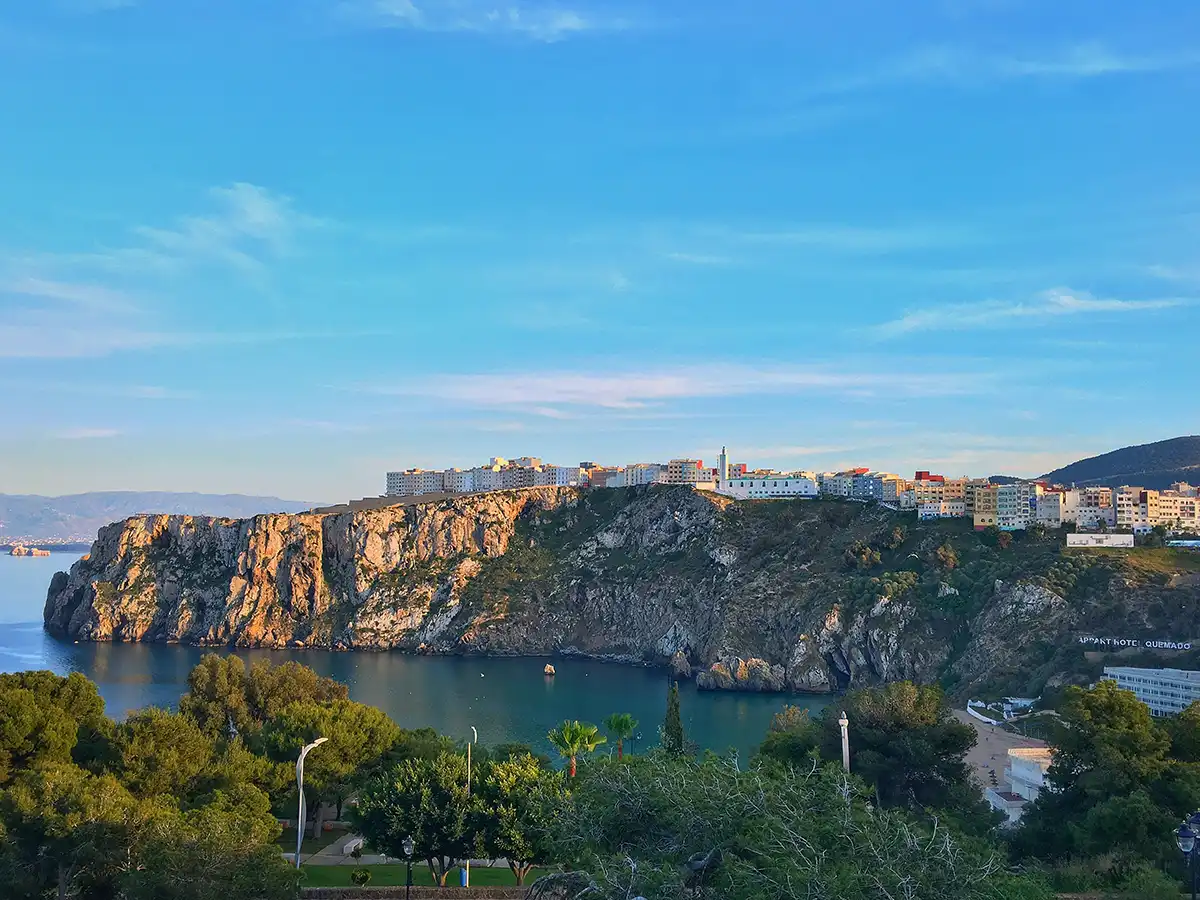
Explore Al Hoceima, Morocco’s Mediterranean beach destination with clear waters and peaceful coastal views.
Explore Al Hoceima→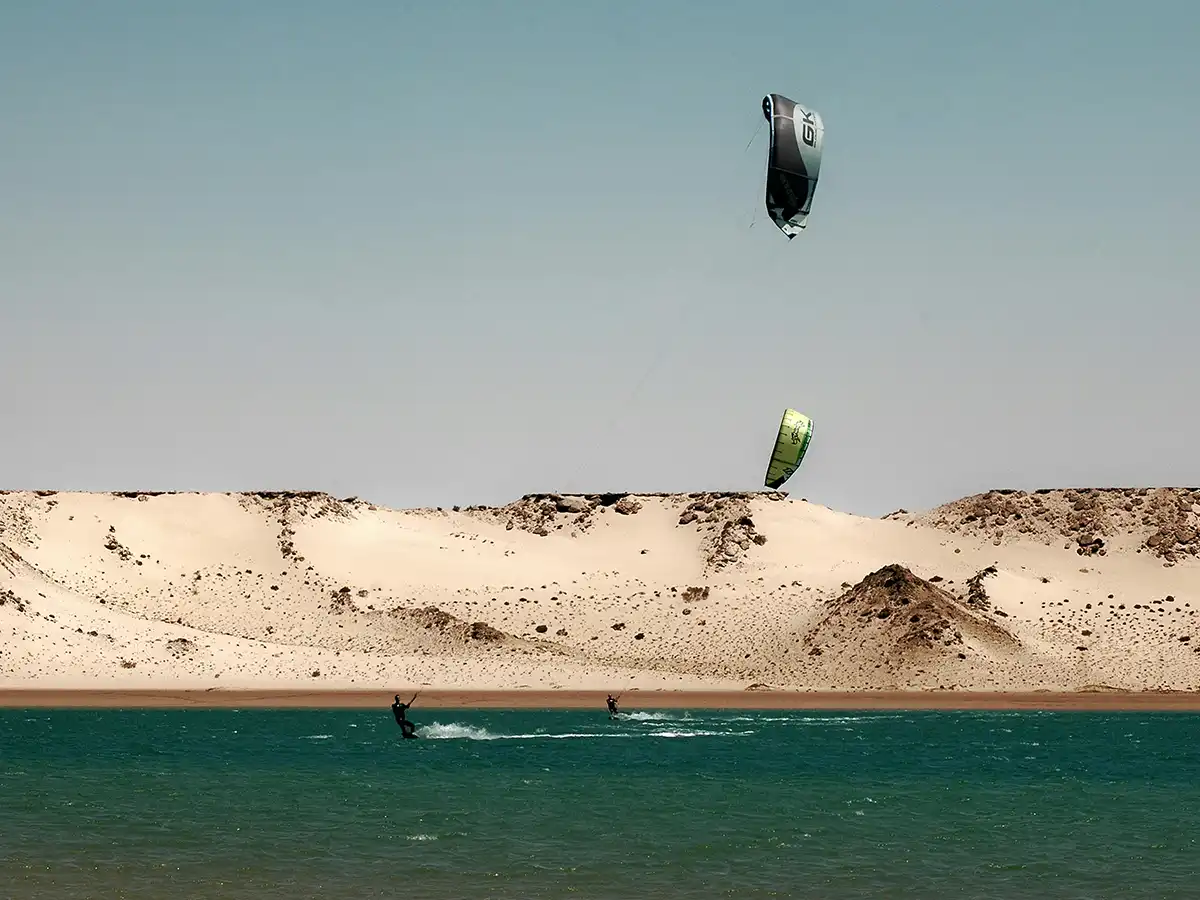
Explore Dakhla, Morocco’s lagoon and desert escape known for kitesurfing, ocean views, and remote natural beauty.
Explore Dakhla→