
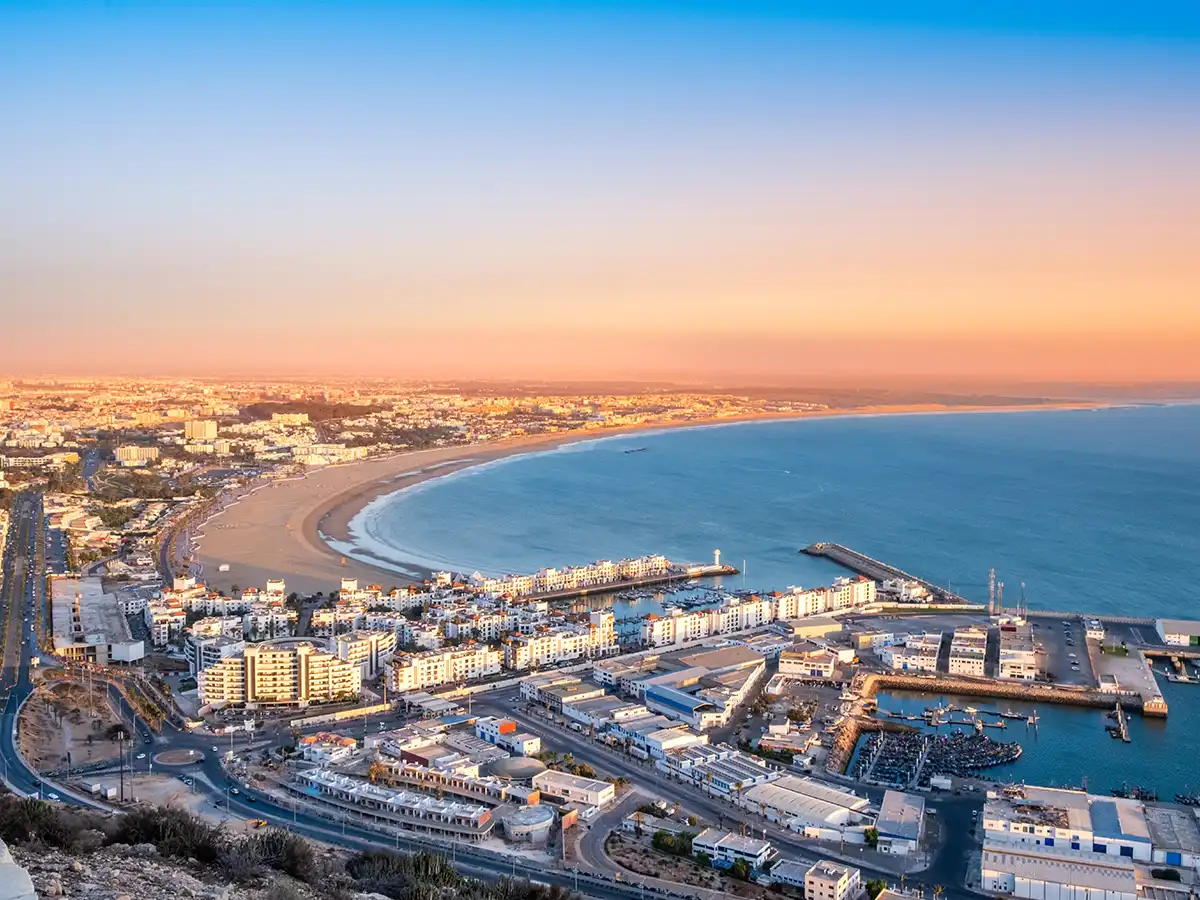
Agadir
Discover Agadir, Morocco’s beach city with surf spots, marina views, and Atlantic coastline.
Explore Agadir→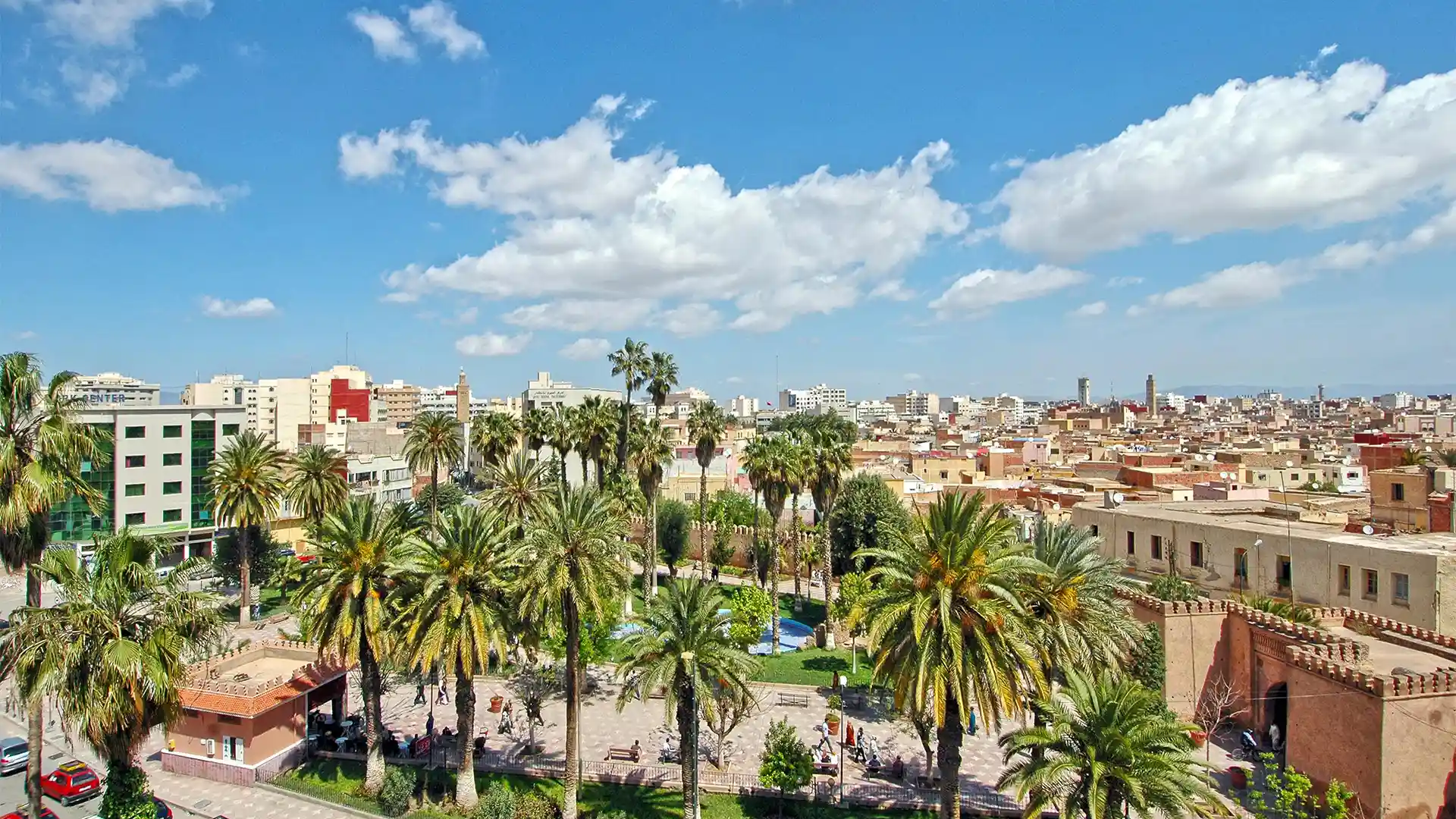
Destination Guide
Discover Oujda, an eastern Moroccan city offering local culture, traditional markets, and a peaceful atmosphere.
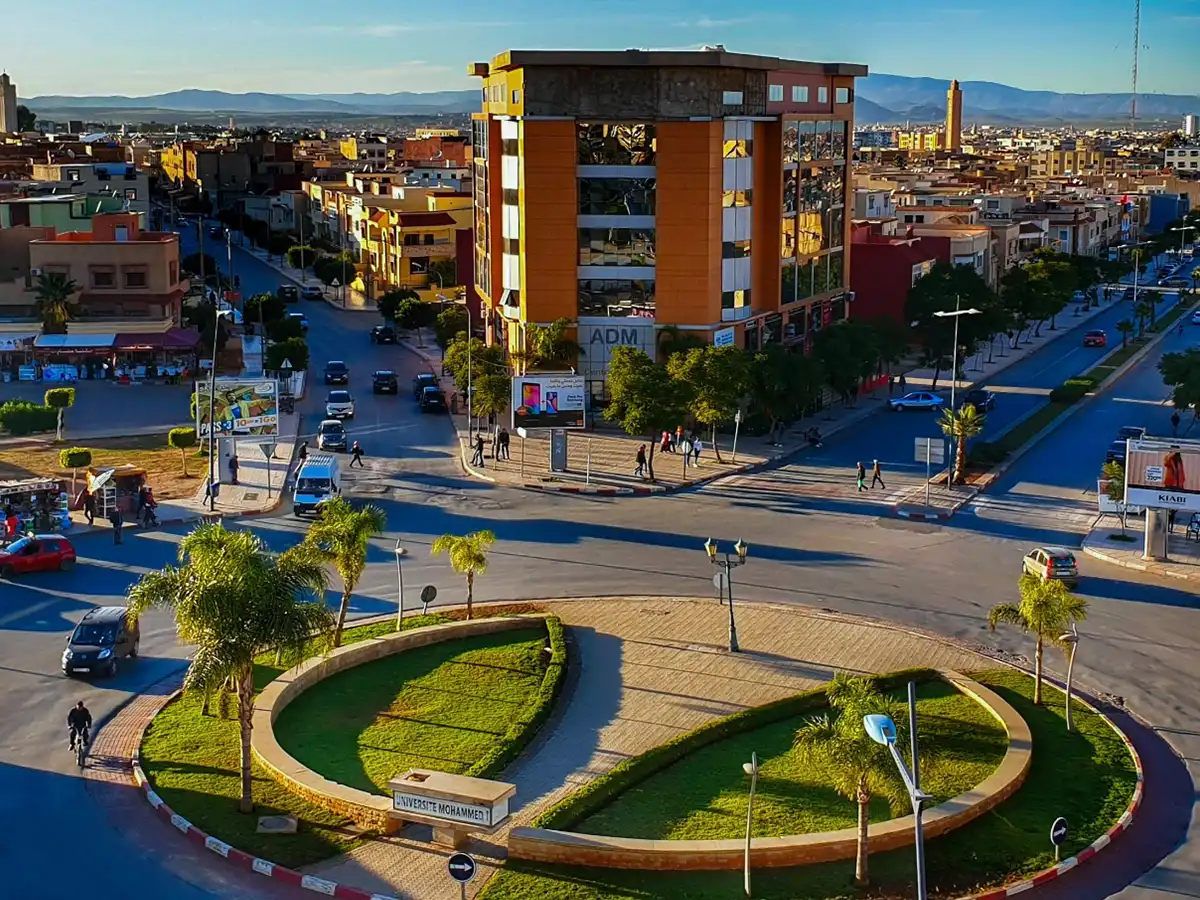
Oujda is one of Morocco’s main eastern cities, known more for its local rhythm and regional role than for heavy tourism. Set near the country’s eastern frontier, it offers a different perspective from Morocco’s more visited destinations, with a pace that feels practical, lived-in, and closely connected to everyday urban life.
What makes Oujda distinctive is its position within the wider region. It works as both a city in its own right and a gateway to eastern Morocco, with access to nearby countryside, coastal routes, and destinations like Saidia. That gives it value not only as a stop, but as a base for understanding a part of the country that many itineraries overlook.
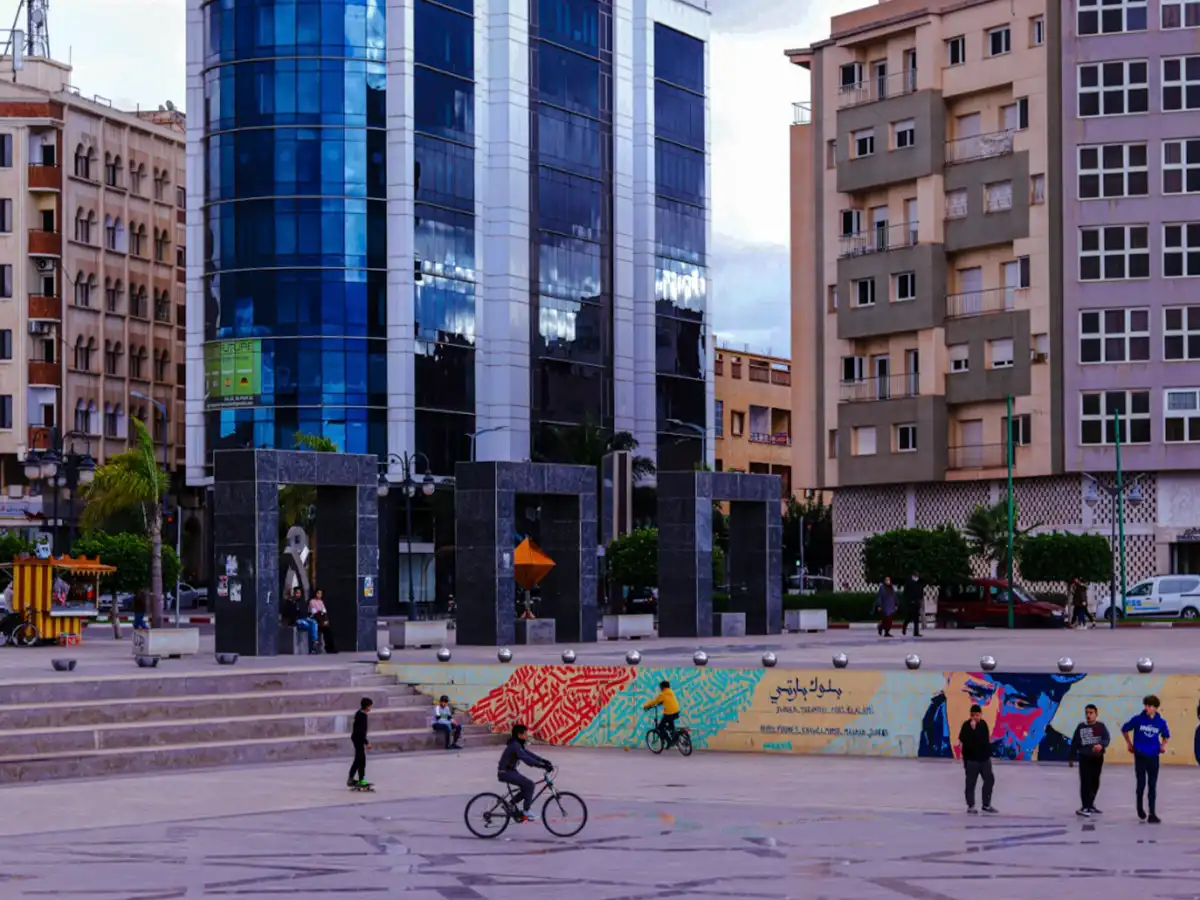
Oujda works best for travelers interested in a more grounded and local experience. It is less about landmark-heavy sightseeing and more about atmosphere, markets, public spaces, and the city’s role within the northeast. For visitors who want to go beyond Morocco’s main tourism circuit, it adds depth and regional contrast.
Planning the route around this destination? Compare private Morocco tours, local experiences, and practical advice on where to stay in Morocco before you build your itinerary.
Oujda offers a side of Morocco that is more local, more regional, and less shaped by tourism than the country’s better-known destinations. That makes it appealing for travelers who want a clearer sense of everyday city life and a different pace from the imperial cities or coastal resorts.
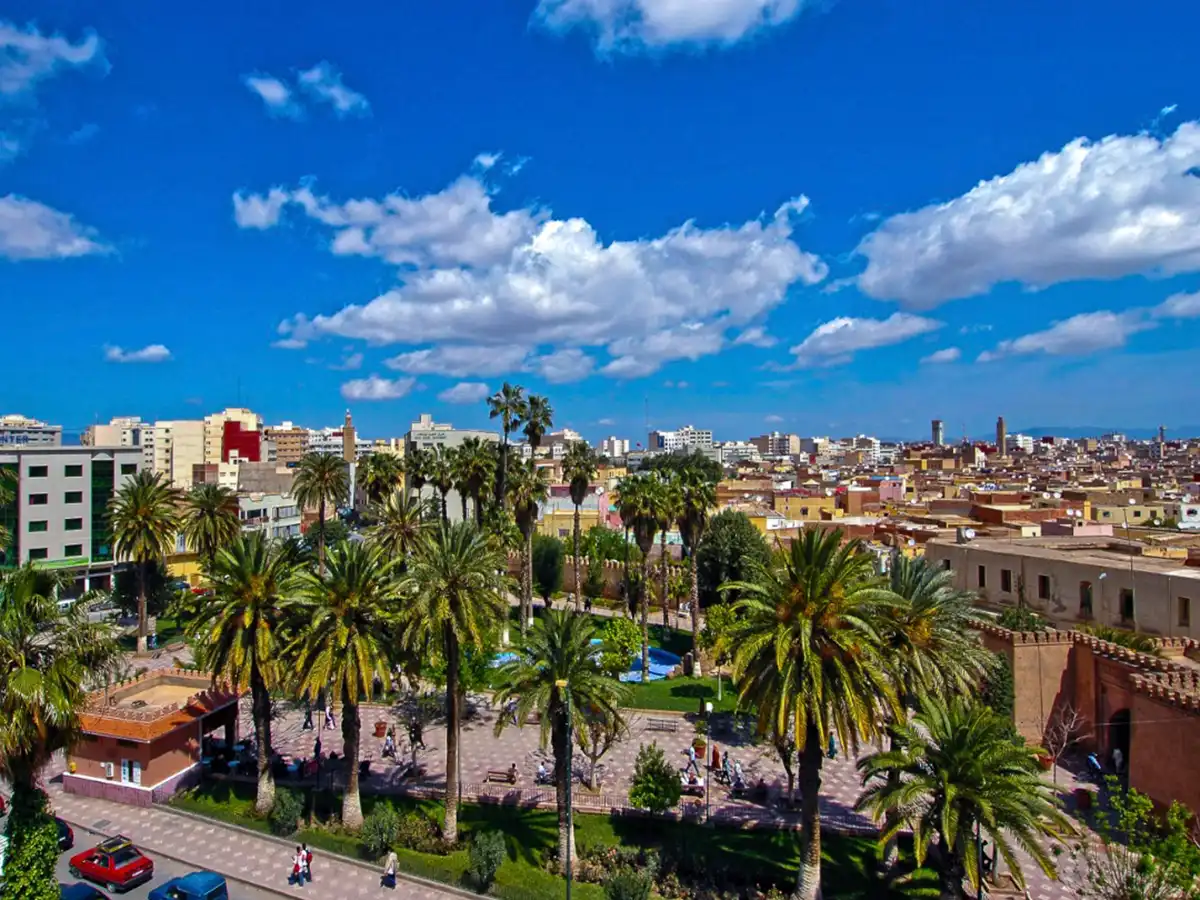
What gives Oujda value is not spectacle, but context. The medina, public squares, gardens, and local commercial life reflect the city’s role within eastern Morocco and its connections across the region. It feels less curated and more functional, which can be exactly what some travelers are looking for.
Oujda also works well as a base. Its position makes it useful for continuing toward Saidia, exploring the northeast, or adding geographic variety to a broader Morocco itinerary. For travelers moving across the country, that practical role increases its importance. That combination is what makes Oujda worth visiting—not as a high-profile destination, but as an eastern Moroccan city with local depth, regional significance, and a quieter kind of authenticity.
Weather · Oujda
Clear
Tue
38°
21°
Wed
37°
21°
What gives Oujda value is not spectacle, but context. The medina, public squares, gardens, and local commercial life reflect the city’s role within eastern Morocco and its connections across the region. It feels less curated and more functional, which can be exactly what some travelers are looking for.
Oujda also works well as a base. Its position makes it useful for continuing toward Saidia, exploring the northeast, or adding geographic variety to a broader Morocco itinerary. For travelers moving across the country, that practical role increases its importance. That combination is what makes Oujda worth visiting—not as a high-profile destination, but as an eastern Moroccan city with local depth, regional significance, and a quieter kind of authenticity.
Find the best flight options to reach Oujda with ease.
Explore the best places to stay in Oujda, from riads to hotels.
Discover the best places to stay in Morocco, from traditional riads and boutique hotels to desert camps and coastal retreats. Whether you are planning a first trip or a multi-destination itinerary, this guide helps you choose the right accommodation with confidence.
Compare Morocco flight options, choose the best arrival airport, and plan a smoother start to your itinerary.
Plan transport with confidence by comparing trains, buses, taxis, private transfers, and car rental in one practical guide. Choose the right option for your route, budget, and travel style.
Discover traditional Moroccan food, drinks, and culinary experiences across the country.
Compare mobile networks, SIM cards, internet options, and practical tips for staying connected in Morocco.
Discover Morocco’s most iconic landmarks, from medinas and riads to kasbahs, souks, and historic cities. Understand what defines Moroccan architecture and cultural life.
Merzouga sits about 560 km from Marrakech, an 8 to 10 hour drive across the High Atlas. Here is how to make the journey, how long to allow, and what you see on the way.
From ancient medinas and Sahara adventures to Atlantic beaches and mountain landscapes, discover 25 unforgettable things to do in Morocco.
Not sure where to go in Morocco? This guide covers the country's best destinations, from imperial cities to coastal towns and the Sahara.
Oujda is best explored through its medina, local markets, public spaces, and its role as a gateway to eastern Morocco. The city is not built around major tourist landmarks, but it offers a grounded urban experience and useful access to nearby regional destinations.
Oujda’s medina offers a local and less tourist-heavy experience, with narrow streets, shops, markets, and everyday city life.
Bab Sidi Abdelwahab is one of Oujda’s most recognizable historic gates and a useful starting point for exploring the older part of the city.
The city’s markets give visitors a practical look at daily life in eastern Morocco, from food stalls to local goods and small shops.
Oujda has public gardens and green spaces that reflect its calmer pace and offer a relaxed break from the city streets.
Oujda is a practical gateway for reaching Saidia and the eastern coastline, making it useful for travelers exploring northeast Morocco.
The older streets offer a more local and unfiltered experience of the city, especially away from the most active commercial lanes.
Oujda’s calmer green spaces add to its more relaxed pace and give a different feel from denser urban centers.
One of Oujda’s real strengths is its role as a practical launch point for exploring the eastern coastline and nearby regional destinations.
Discover Agadir, Morocco’s beach city with surf spots, marina views, and Atlantic coastline.
Explore Agadir→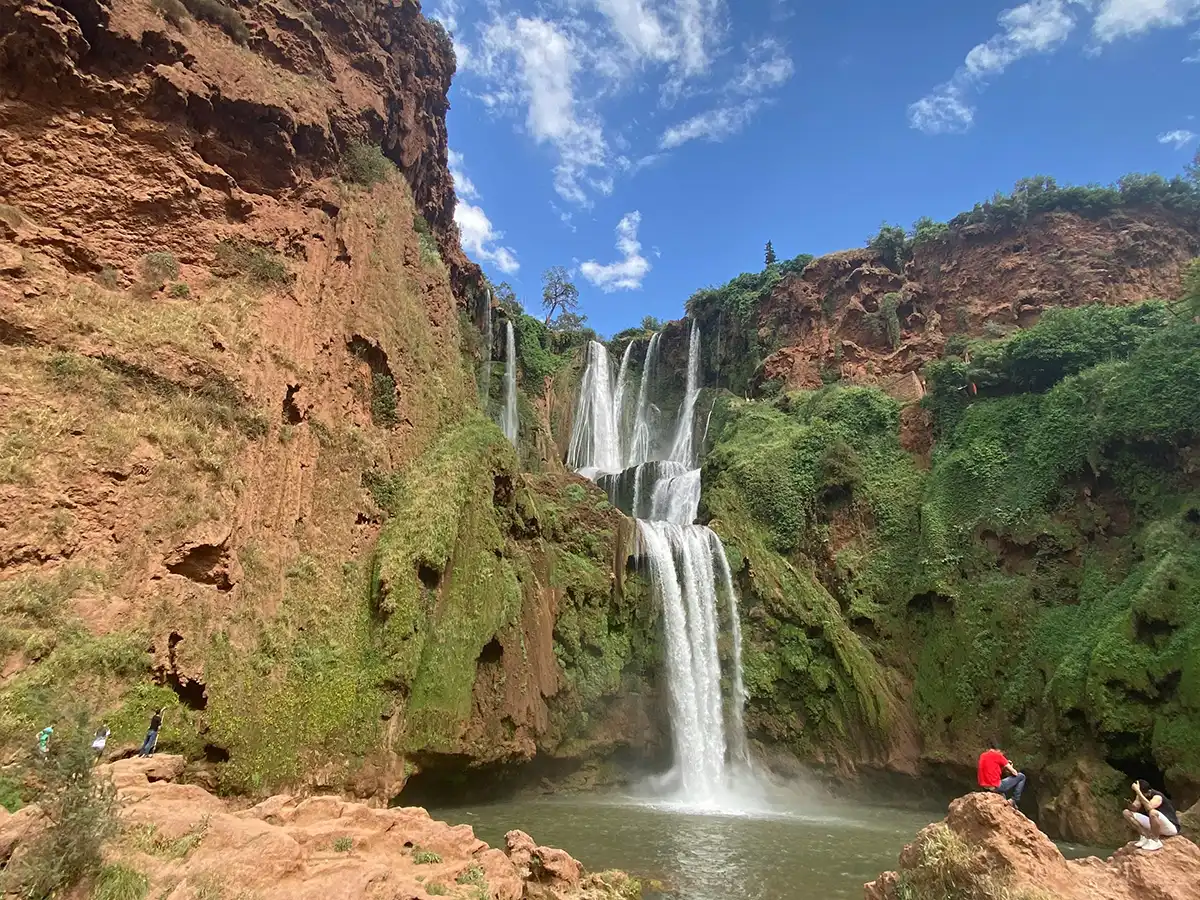
Explore Azilal, gateway to Ouzoud waterfalls and the Atlas Mountains with scenic landscapes and authentic rural experiences.
Explore Azilal→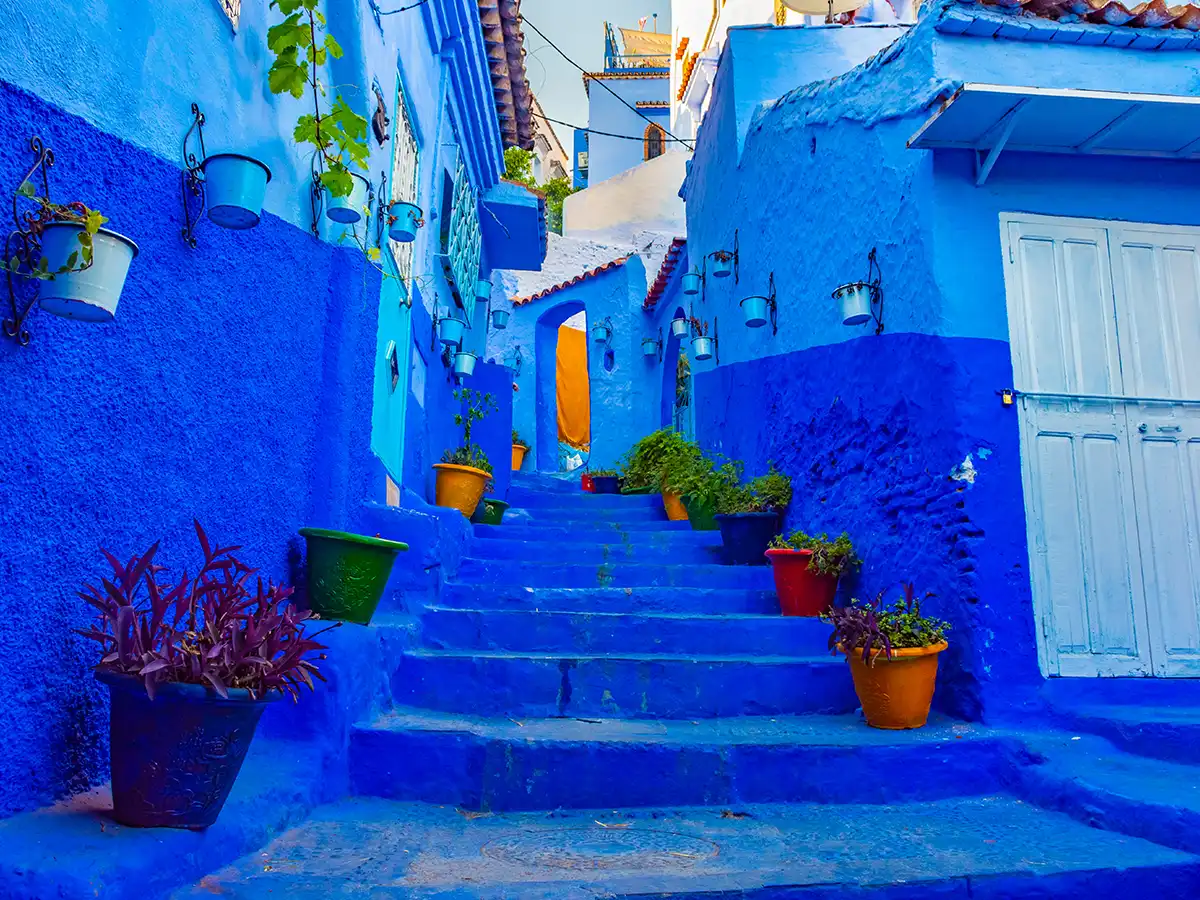
Explore Chefchaouen, Morocco’s blue city in the Rif Mountains, known for its calm atmosphere and striking streets.
Explore Chefchaouen→