
Introduction
Designing a Morocco itinerary is less about ticking boxes and more about understanding how the country unfolds geographically. Distances, terrain, and travel pace all matter here. From imperial cities to desert landscapes and coastal escapes, each region offers a distinct rhythm—and planning it correctly makes the difference between a rushed trip and a seamless journey. This guide breaks down the most effective Morocco itineraries for 7, 10, and 14 days. Each route is structured to maximize your time, reduce unnecessary backtracking, and connect experiences in a logical flow. Whether you’re visiting for the first time or refining a return trip, this is the framework used by experienced travelers and local planners.
How to Plan a Morocco Itinerary the Right Way
Morocco is not a country you navigate randomly. Travel times between destinations can be longer than expected, especially when crossing mountain ranges or heading into the desert. A well-structured itinerary minimizes fatigue and allows you to experience each destination with intention. Most trips begin in either Marrakesh or Casablanca, depending on flight availability. From there, routes typically move inland toward Fez, south toward the Sahara Desert, or west toward the Atlantic coast. The key is to avoid crisscrossing the country and instead follow a directional loop. Understanding transportation is equally important. Trains are efficient between major cities, while private transfers or guided tours are often the best option for desert routes.
7-Day Morocco Itinerary: The Essential First Trip
A 7-day itinerary requires focus. The most efficient route combines one imperial city with a desert experience, avoiding excessive travel. A common structure begins in Marrakesh, allowing immediate immersion into Morocco’s atmosphere.
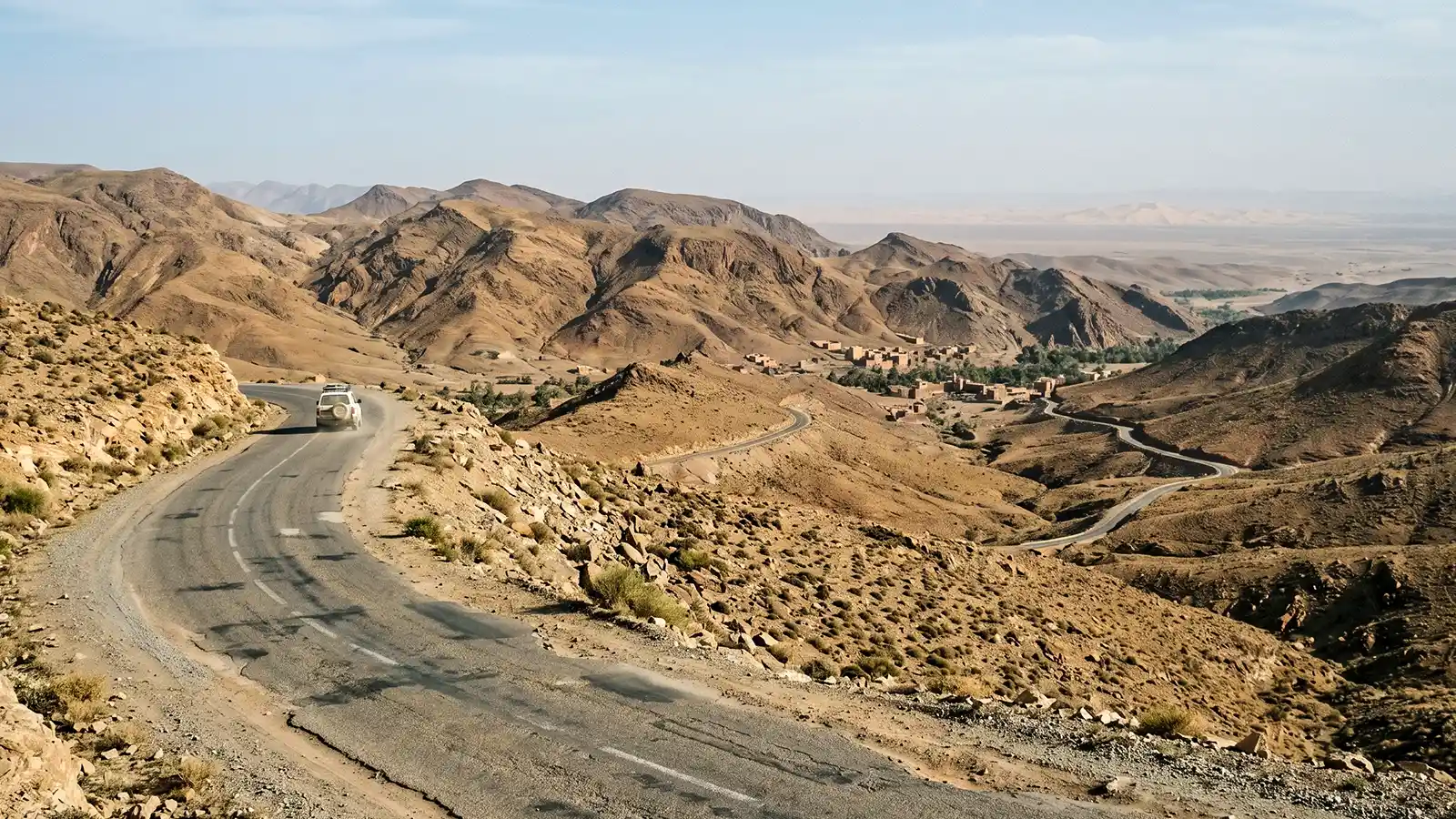
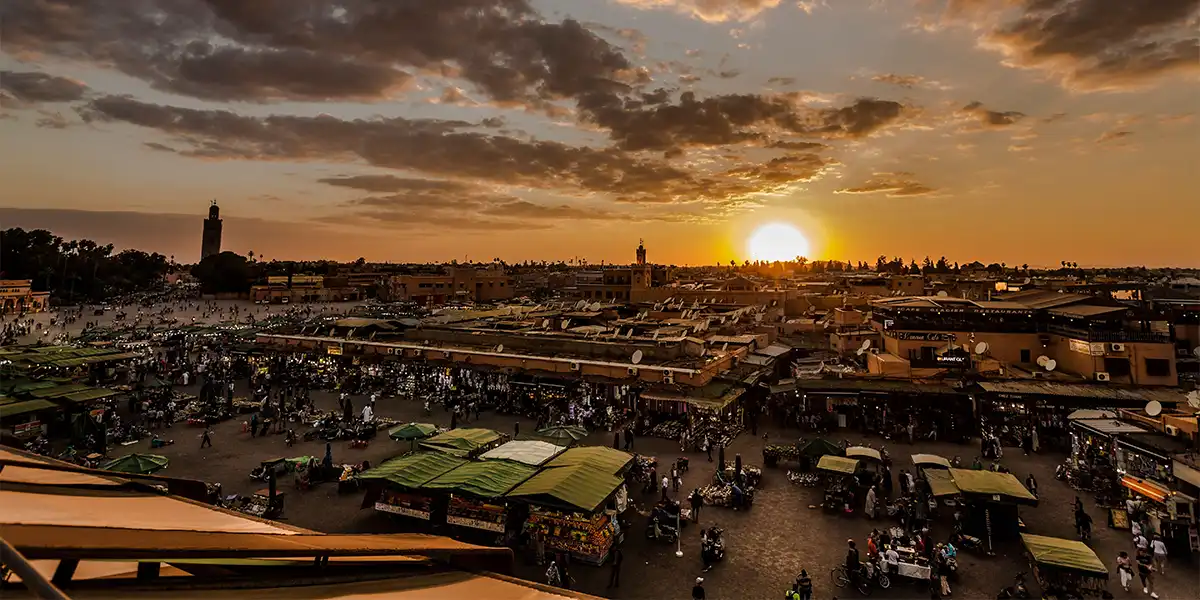
Spend your first two days exploring Marrakesh: its medina, architectural landmarks, and surrounding gardens. From there, a 3-day journey to the Sahara Desert via the Atlas Mountains and Aït Benhaddou provides a condensed but rewarding contrast of landscapes.
Return to Marrakesh for your final days, keeping the pace manageable. While cities like Fez are often tempting to include, adding them in a 7-day trip usually results in rushed transitions rather than meaningful experiences.
10-Day Morocco Itinerary: The Balanced Route
With 10 days, Morocco opens up significantly. This duration allows you to connect Marrakesh, the desert, and Fez without compromising the experience. The route typically begins in Marrakesh, where you spend two to three days before heading toward the Sahara.
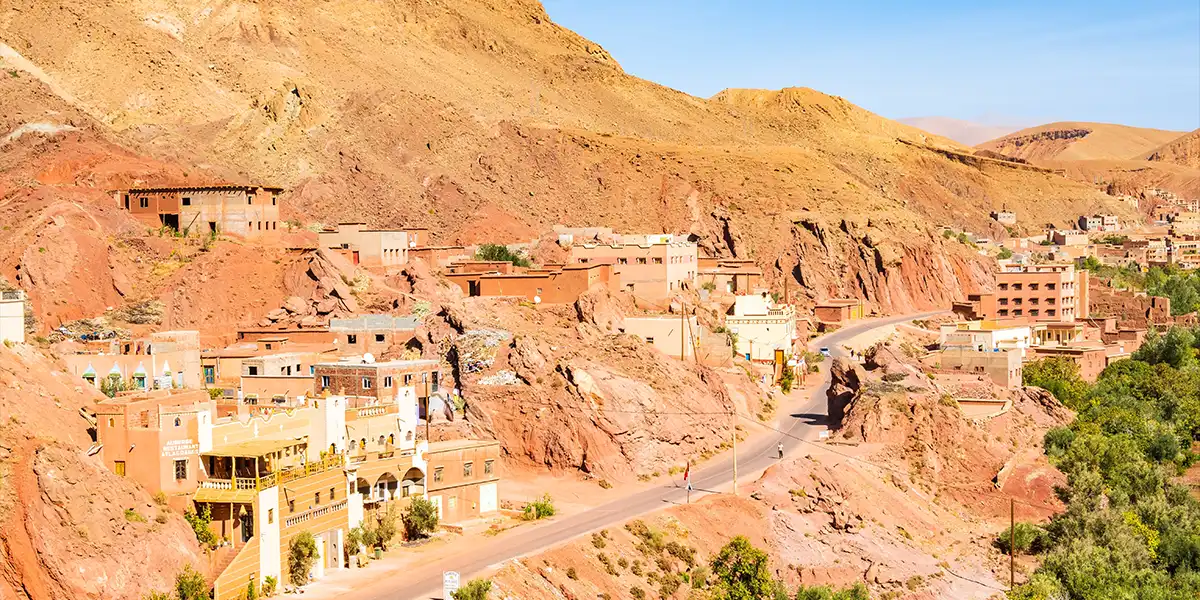
After crossing the Atlas Mountains and spending a night in Ouarzazate or Dades Valley, continue to the desert for a full experience including sunset, sunrise, and an overnight stay. From there, travel north toward Fez, passing through the Ziz Valley and Midelt.
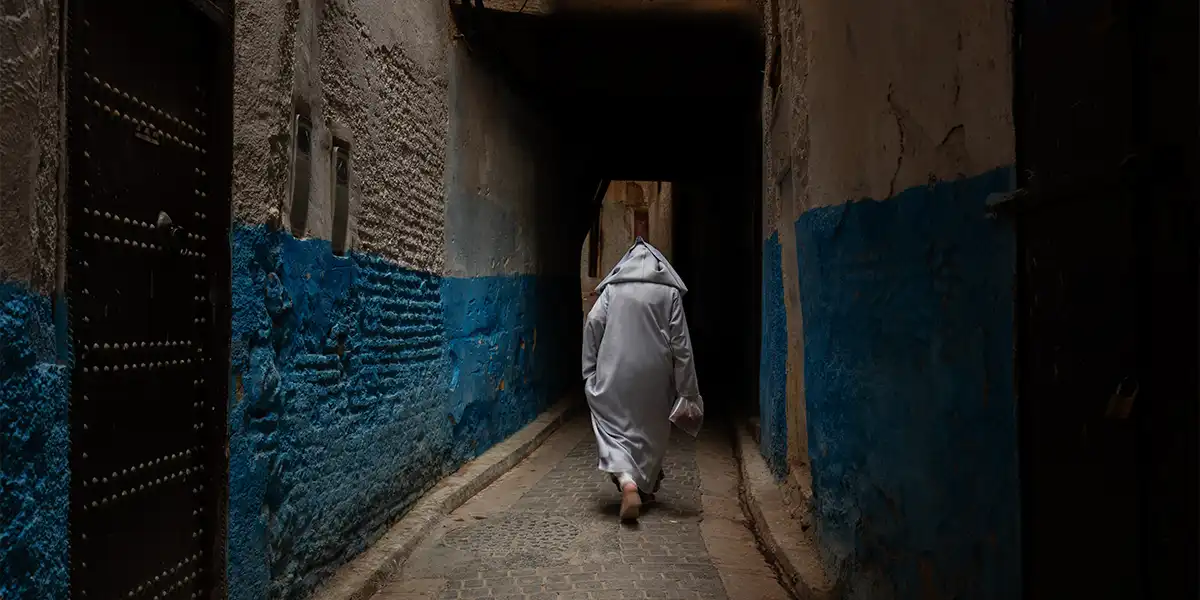
Finish your trip with two days in Fez, known for its historic medina and cultural depth.
14-Day Morocco Itinerary: The Complete Experience
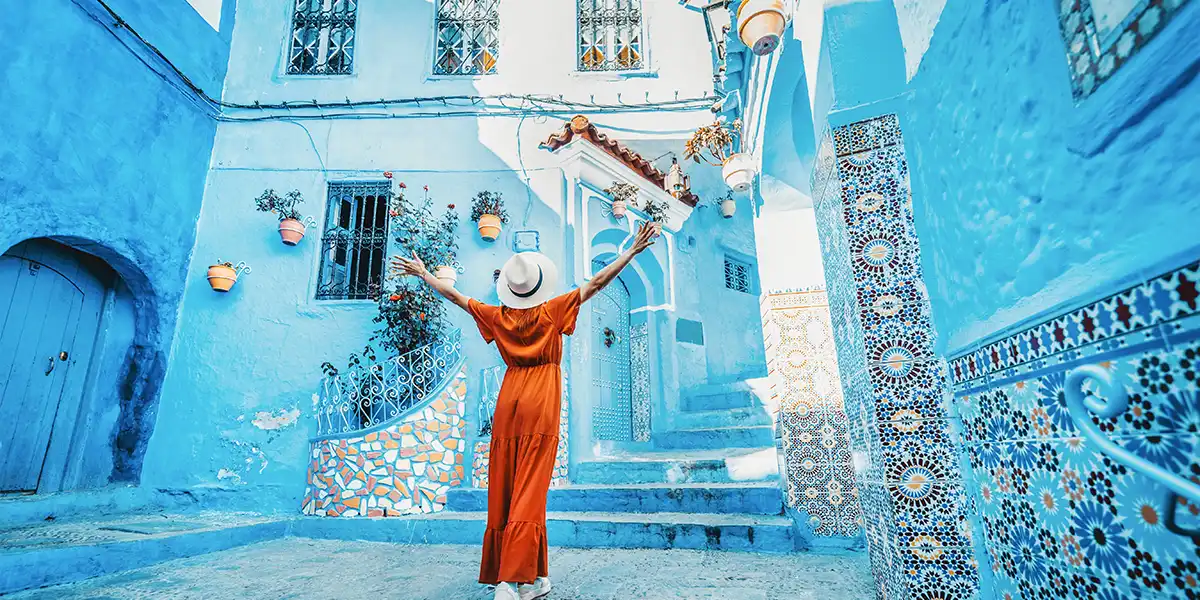
A 14-day itinerary allows for a more complete understanding of Morocco’s diversity. In addition to Marrakesh, the desert, and Fez, you can include northern cities or the Atlantic coast. After following the Marrakesh–desert–Fez route, continue to Chefchaouen for a slower-paced mountain experience. The contrast between the blue city and imperial centers adds depth to the journey. From there, you can either head west to Casablanca or Rabat, or return south via the coast, including Essaouira.
Best Route Options Depending on Your Arrival City
Your entry point affects your entire itinerary. If you arrive in Marrakesh, it’s logical to begin your trip there and move north or south in a loop. If you land in Casablanca, starting with the coastal region or heading directly to Fez is often more efficient. Open-jaw flights—arriving in one city and departing from another—are highly recommended. For example, arriving in Marrakesh and departing from Casablanca or Tangier eliminates backtracking and optimizes your route. Understanding these logistics early helps you design a more fluid itinerary and avoid unnecessary travel days.
How to Travel Between Cities in Morocco
Transportation choices shape your experience. Trains operated by ONCF are reliable for routes like Casablanca to Fez or Rabat. However, they do not reach desert regions, where road travel becomes necessary. Private drivers offer flexibility and comfort, especially for multi-day routes through the Atlas Mountains. Guided tours are also a popular option for first-time visitors who prefer a structured experience. For shorter distances or budget travel, buses such as CTM and Supratours are widely used. Each option has advantages depending on your itinerary and travel style.
Where to Stay Along Your Itinerary
Accommodation in Morocco is part of the experience. In cities, traditional riads offer a more immersive stay compared to standard hotels. These properties are often located within the medina, providing direct access to cultural and architectural highlights. In the desert, overnight camps range from basic setups to high-end luxury experiences. Choosing the right level depends on your expectations for comfort and authenticity. For coastal or modern stays, cities like Casablanca offer international-standard hotels. Planning accommodations in advance is essential, especially during peak travel seasons.
Practical Tips to Optimize Your Morocco Itinerary
Packing efficiently is important due to varying climates between regions. Lightweight clothing works well for cities, while desert evenings can require warmer layers. Currency is another key consideration. While major cities accept cards, cash is still essential in smaller towns and local markets. Planning ahead avoids unnecessary inconvenience. Finally, allow flexibility within your itinerary. Morocco rewards those who leave space for unexpected discoveries, whether it’s a local café, a hidden riad, or a scenic stop along the road.
Frequently asked questions
Seven days covers one imperial city combined with a desert experience. Ten days lets you connect Marrakesh, the desert and Fez without compromising the experience. Fourteen days adds northern cities or the Atlantic coast for a more complete picture of the country.
A seven-day itinerary requires focus. The most efficient route combines Marrakesh with a three-day journey to the Sahara via the Atlas Mountains and Ait Benhaddou. Adding Fez usually means too much time in transit — ten days is where all three fit comfortably.
No. Trains operated by ONCF are reliable for routes such as Casablanca to Fez or Rabat, but they do not reach desert regions. Road travel is necessary there, whether by private driver, guided tour, or buses such as CTM and Supratours.
Either works, and your entry point affects the whole itinerary. Open-jaw flights — arriving in one city and departing from another, such as into Marrakesh and out of Casablanca or Tangier — are highly recommended because they eliminate backtracking.
In cities, traditional riads inside the medina offer a more immersive stay than standard hotels. In the desert, overnight camps range from basic setups to high-end luxury. Book in advance, especially during peak travel seasons.