

Introduction
Morocco is one of the most visited countries in Africa, yet “is Morocco safe?” is still the first question many travellers ask. The honest answer is yes — with a few realistic caveats that are more about comfort than danger. This guide covers the real risks, solo female travel, the common scams, and the simple habits that let you explore with confidence.
Is Morocco safe for tourists?
Yes. Morocco is generally safe for tourists, and violent crime against visitors is rare. The US State Department rates it Level 2 — "exercise increased caution" — a caution driven by the general risk of terrorism rather than any day-to-day threat to travellers.
Tens of thousands of travellers, including many travelling alone, visit Morocco every year and leave with stories about hospitality and mint tea rather than danger. That is the honest headline. The rest of this guide is about the parts that are less about safety and more about comfort — because "safe" does not always mean "the same as home."
What the real risks actually are
The genuine challenges in Morocco are rarely physical. They are persistent verbal attention, aggressive touts, and minor scams — most concentrated in the busy medinas of the larger cities.
In places like Marrakesh's Jemaa el-Fnaa or the Fez medina, you can expect comments, offers of unsolicited "help," and firm sales pressure. It is tiring rather than dangerous. Pickpocketing exists in crowds, as it does in any tourist city, but assault on visitors is uncommon. Treat the risk the way you would in any busy destination: keep valuables close, stay aware in crowds, and trust your instincts.
Morocco for solo female travellers
This is the most searched safety question about Morocco, and it deserves an honest answer: solo female travel in Morocco is common and manageable, but it comes with more attention than many other destinations.
Catcalling and comments happen, particularly in high-tourist medinas. It is almost always verbal and fades quickly if you do not engage. Many women travel Morocco alone without incident by leaning on a few simple habits: dressing modestly enough to blend in, walking with purpose, avoiding empty streets after dark, and being comfortable saying a firm no.
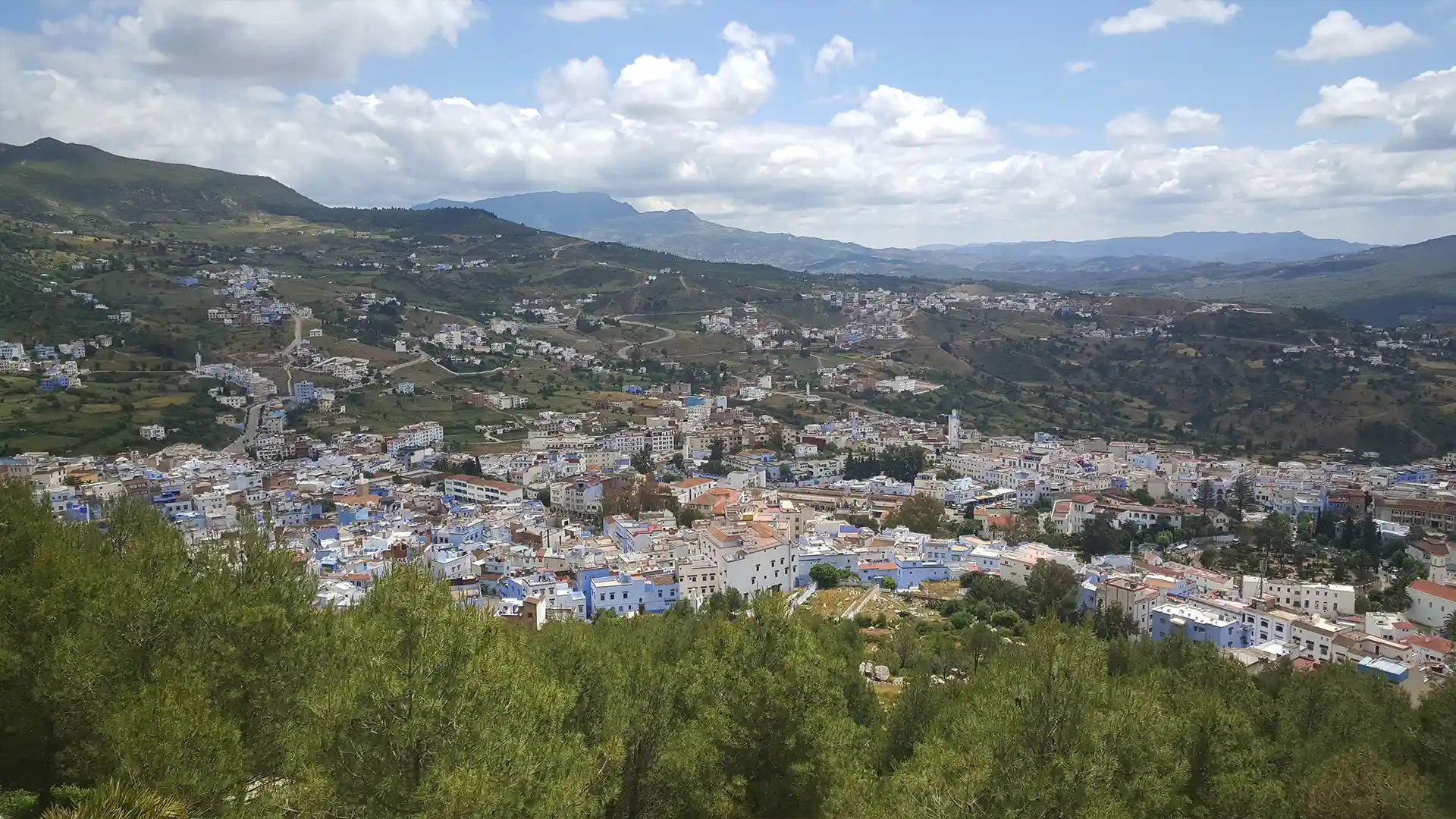
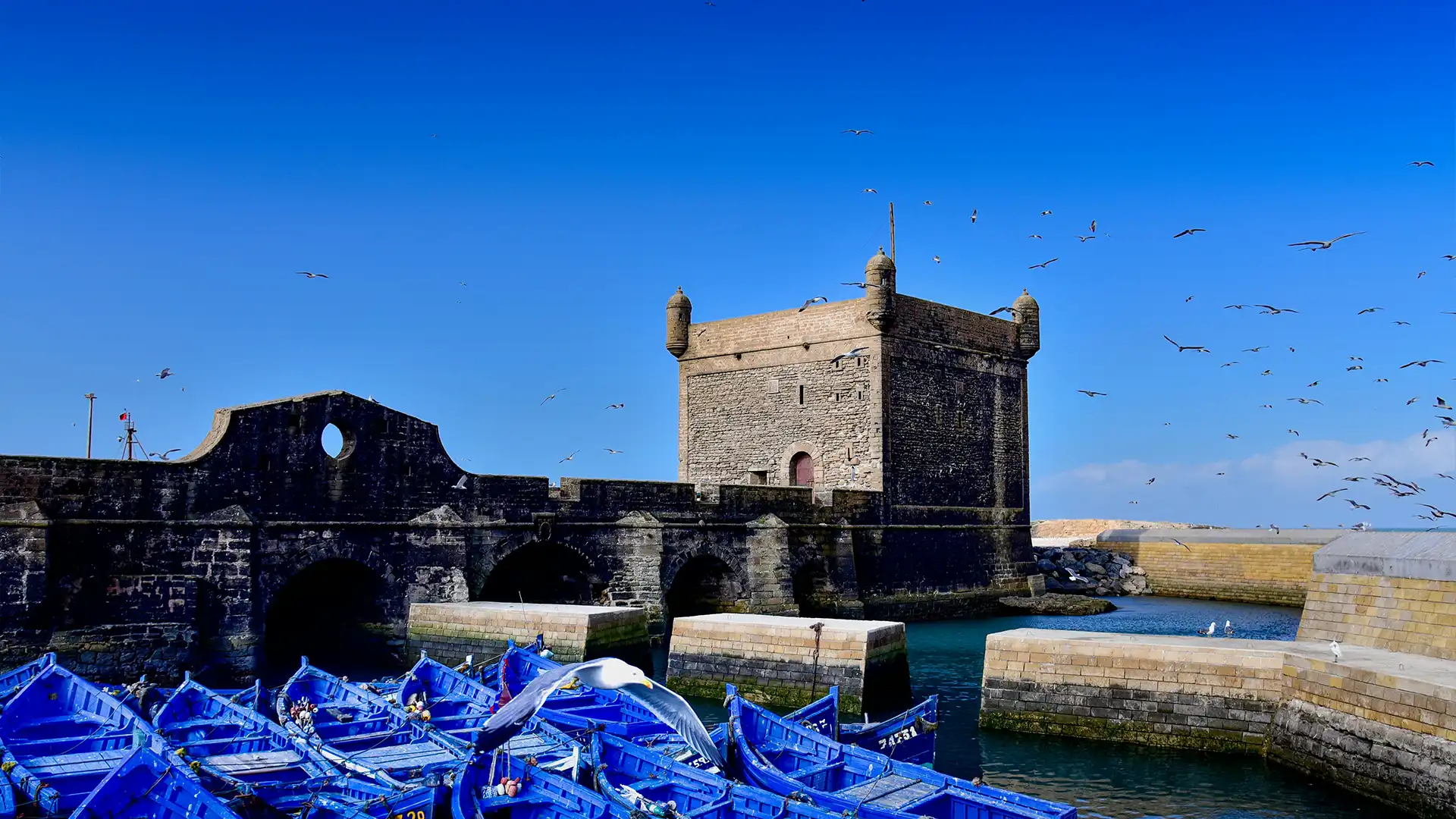
Smaller towns such as Chefchaouen and coastal Essaouira feel noticeably calmer than the big-city medinas. Travelling with a guide or a small group also removes most of the friction, which is why many first-time solo visitors choose that route.
Common scams and how to handle them
Most "trouble" in Morocco is a scam rather than a threat, and knowing the handful of common ones removes most of their power.
Fake guides will tell you a sight is "closed" and offer to lead you somewhere better — usually a shop that pays them commission. Unofficial "helpers" who show you the way through the medina will then demand payment. Tanneries and workshops sometimes pull visitors in for a "free" tour that ends with pressure to buy. And taxis, especially from the airport, may not use the meter.
The fixes are simple: agree a taxi price before getting in or insist on the meter, decline directions from strangers who approach you first, and remember that a polite but firm "no, thank you" is a complete sentence. None of this is dangerous — it is just the local game, and you can opt out of it.
The safest cities and regions
Morocco's atmosphere varies a lot by place, and matching your comfort level to the destination makes a real difference.
Chefchaouen, tucked into the Rif Mountains, is relaxed and walkable with little of the hard-sell energy of the big medinas. Essaouira, on the Atlantic coast, has an open, breezy medina that many travellers find the easiest in the country. Larger imperial cities like Marrakesh and Fez are rewarding but more intense — the attention and the crowds are simply part of their character. Knowing that in advance is half the preparation.
Navigating the medinas without stress
The old medinas are mazes by design, and getting briefly lost is part of the experience rather than a danger. A little strategy keeps it enjoyable.
Download an offline map before you go in, since signal is patchy between the high walls. Note a nearby landmark or a large square as your anchor point. Explore in daylight when the lanes are busy and easy to read, and keep phone and wallet in front pockets or a zipped bag. If you do lose your way, shops and cafés are reliable places to reorient — far better than accepting a stranger's unsolicited offer to lead you out.
Health, water and food
Health risks in Morocco are the ordinary travel kind, easily managed with a little care.
Stick to bottled or filtered water rather than tap, which is the single most effective habit. Street food is one of the highlights of the country — choose busy stalls with high turnover and you will rarely have trouble. Carry basic stomach remedies just in case, use sun protection in the south and the desert, and check that your travel insurance covers you. No special vaccinations are required for most visitors, but confirm with your own doctor before travelling.
Practical safety essentials
A few numbers and habits are worth having ready before you arrive.
The national police number in cities is 19, and 177 reaches the Royal Gendarmerie in rural areas. Keep a digital copy of your passport separate from the original. Share your itinerary with someone at home, especially before a desert or mountain leg where signal drops. Carry small cash for taxis and tips, since card acceptance is uneven outside hotels. None of this is Morocco-specific caution — it is simply good travel practice that makes an easy country even easier.
Frequently asked questions
Yes. Morocco is rated Level 2 (exercise increased caution) by the US State Department — largely a general terrorism caution — and violent crime against tourists is rare. The main issues are minor scams and persistent attention in busy medinas, not danger.
It is common and manageable, but involves more attention than many destinations — mostly verbal, and it fades if you do not engage. Modest dress, walking with purpose, avoiding empty streets after dark, and calmer towns like Chefchaouen and Essaouira all help.
Scams rather than threats: fake guides, unofficial helpers who demand payment, and unmetered taxis. Agree prices in advance, decline unsolicited help, and a firm 'no thank you' handles most situations.
It is safer to drink bottled or filtered water. Tap water is chlorinated in cities but can upset stomachs unused to it. Busy street-food stalls with high turnover are generally fine.
Chefchaouen in the Rif Mountains and Essaouira on the Atlantic coast are noticeably calmer than the medinas of Marrakesh and Fez, which are rewarding but more intense.